COMPREHENSIVE ARTHROSCOPIC MANAGEMENT
What is Comprehensive Arthroscopic Management (CAM)?
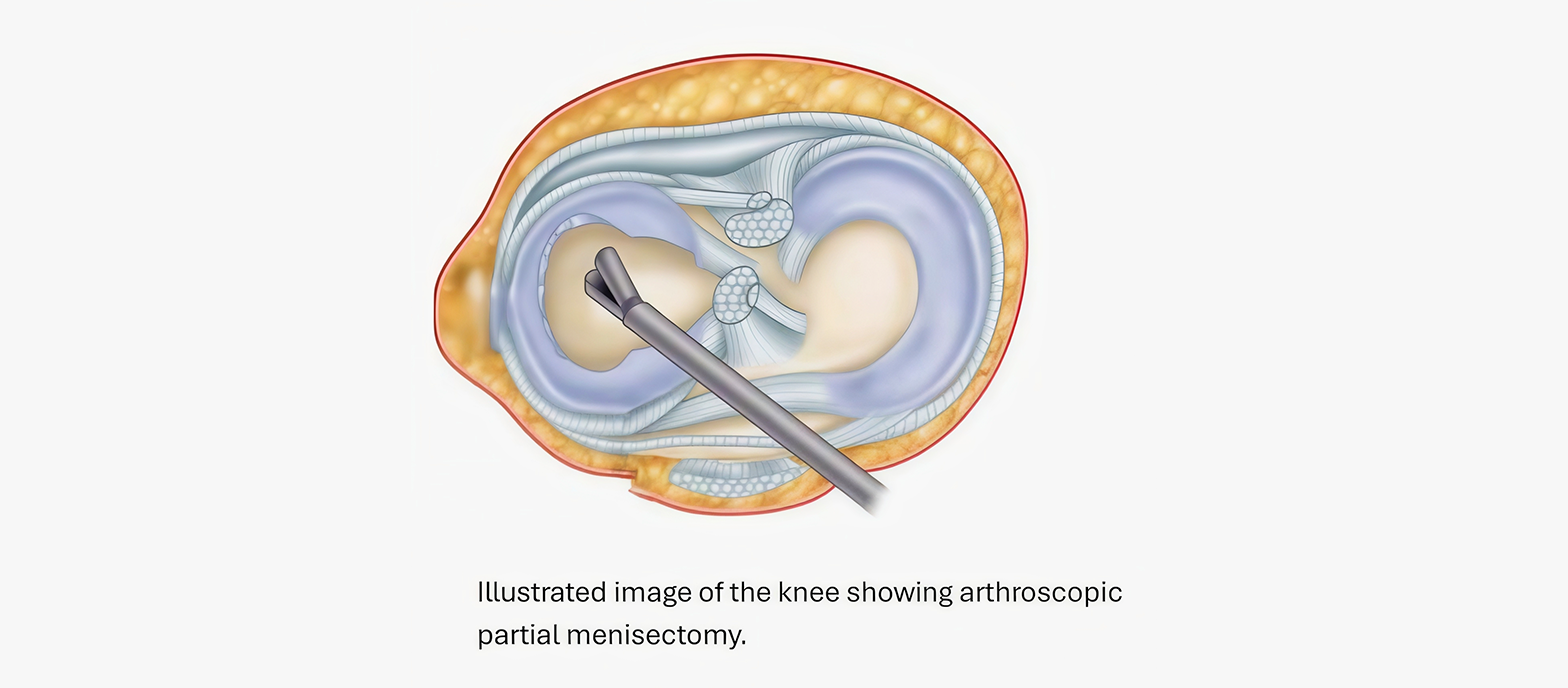
Comprehensive Arthroscopic Management (CAM) is a combined keyhole surgery that treats early knee arthritis and other related problems in one sitting. It uses an arthroscope, a thin camera inserted through a small cut, to look inside the knee and perform several treatments in the same procedure to get a better function with relief of symptoms.
Why is CAM done?
CAM is done to reduce pain, swelling, and stiffness in people who have early arthritis, cartilage damage, or meniscus problems. It helps to slow down the worsening of arthritis and improve joint function without needing a full knee replacement.
What is the surgical procedure?
CAM usually includes a combination of:
• Joint washout (lavage) to remove joint debris.
• Synovectomy to clean inflammed tissue
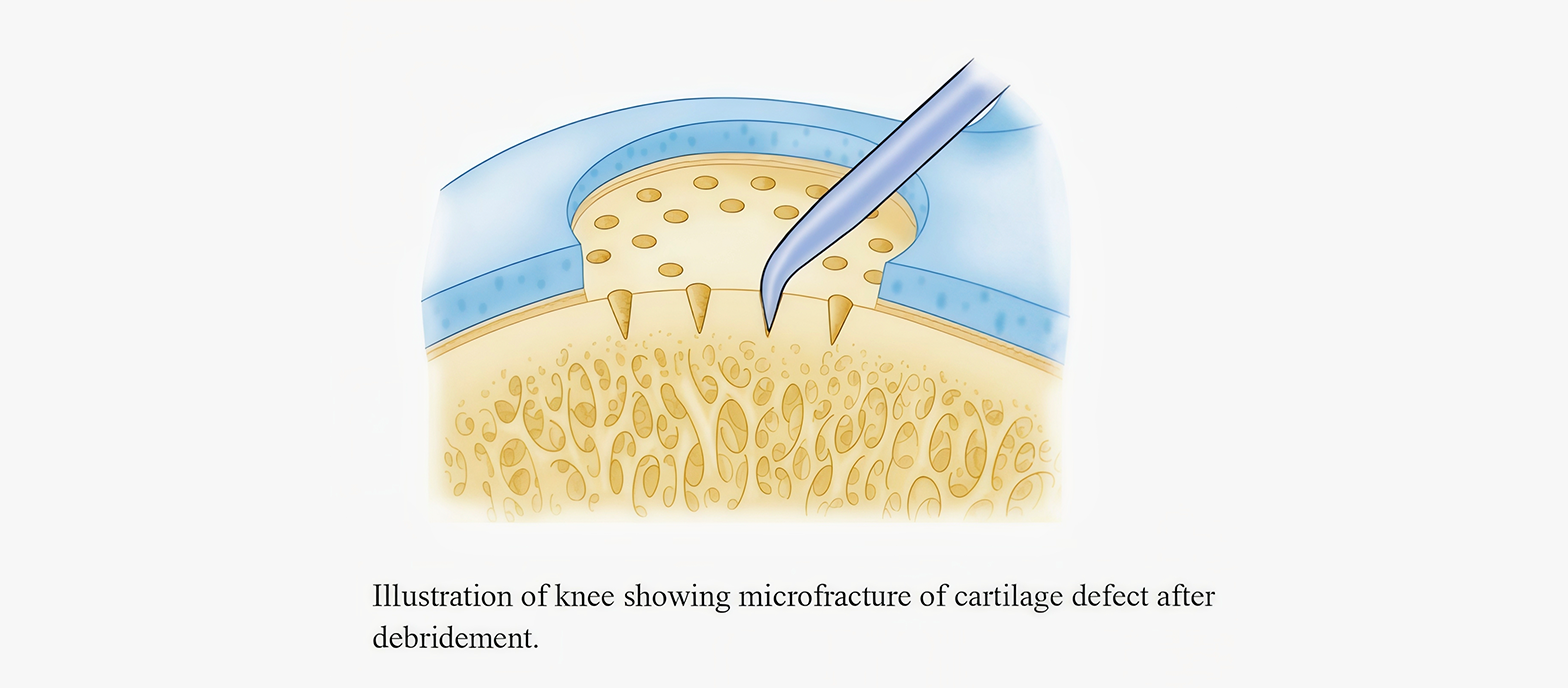
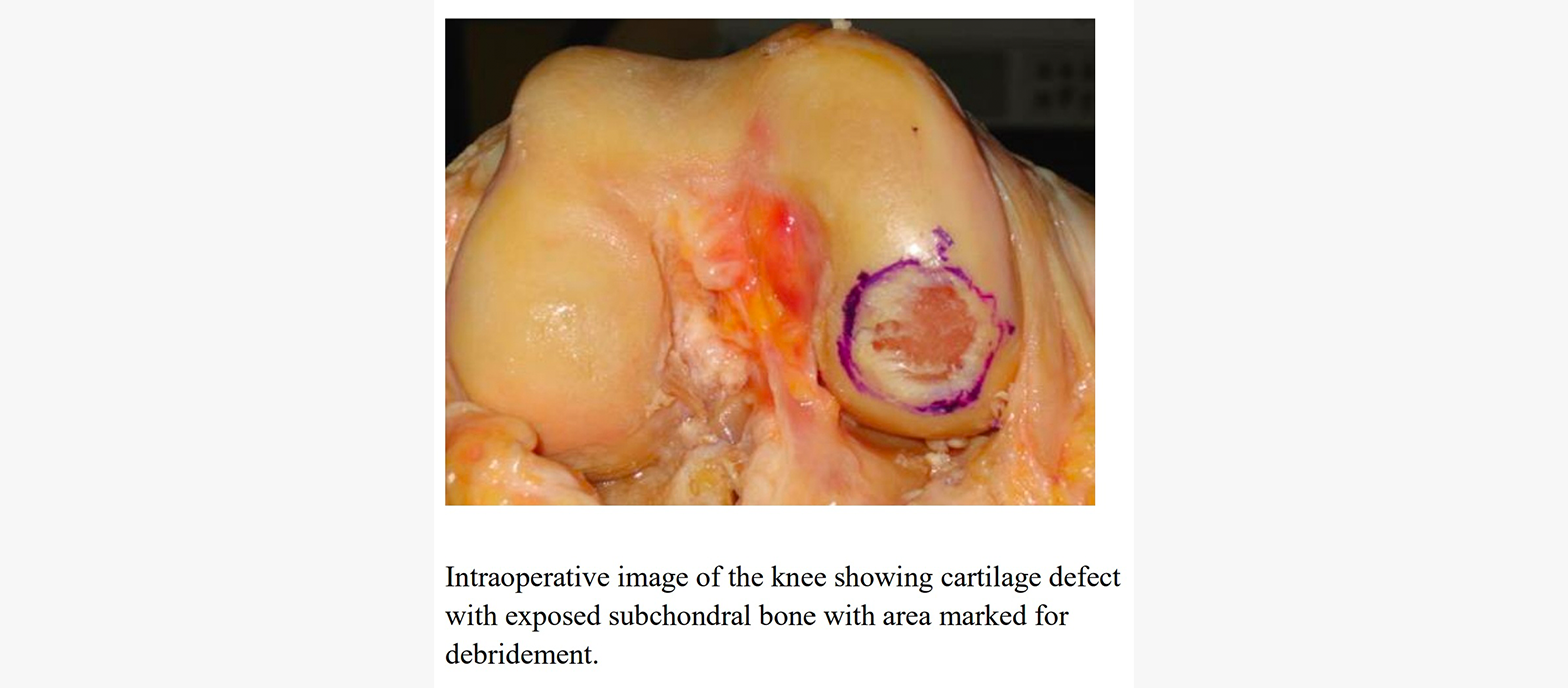
• Cartilage treatment like microfracture or debridement
• Meniscus trimming or repair if it is torn
• Removal of loose bodies inside the knee
Sometimes procedures like PRP / BMAC injection may also be advocated with the CAM procedure to increase the efficiency of the treatment.
Are there any risks associated with CAM?
No specific risk is associated with CAM. It involves rare risks associated with any surgery like anaesthetic risks and infection. In general, CAM is considered a safe procedure.
MICROFRACTURE
What is microfracture?
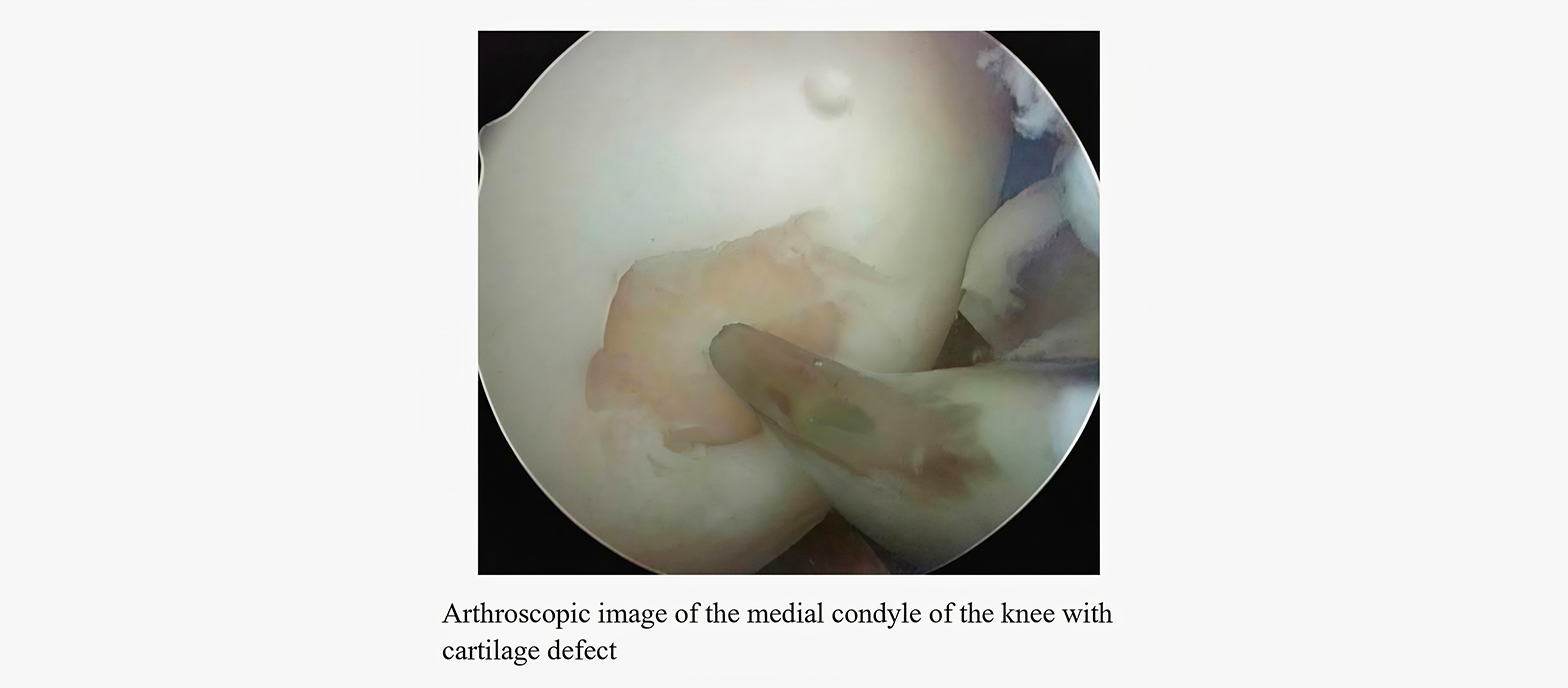
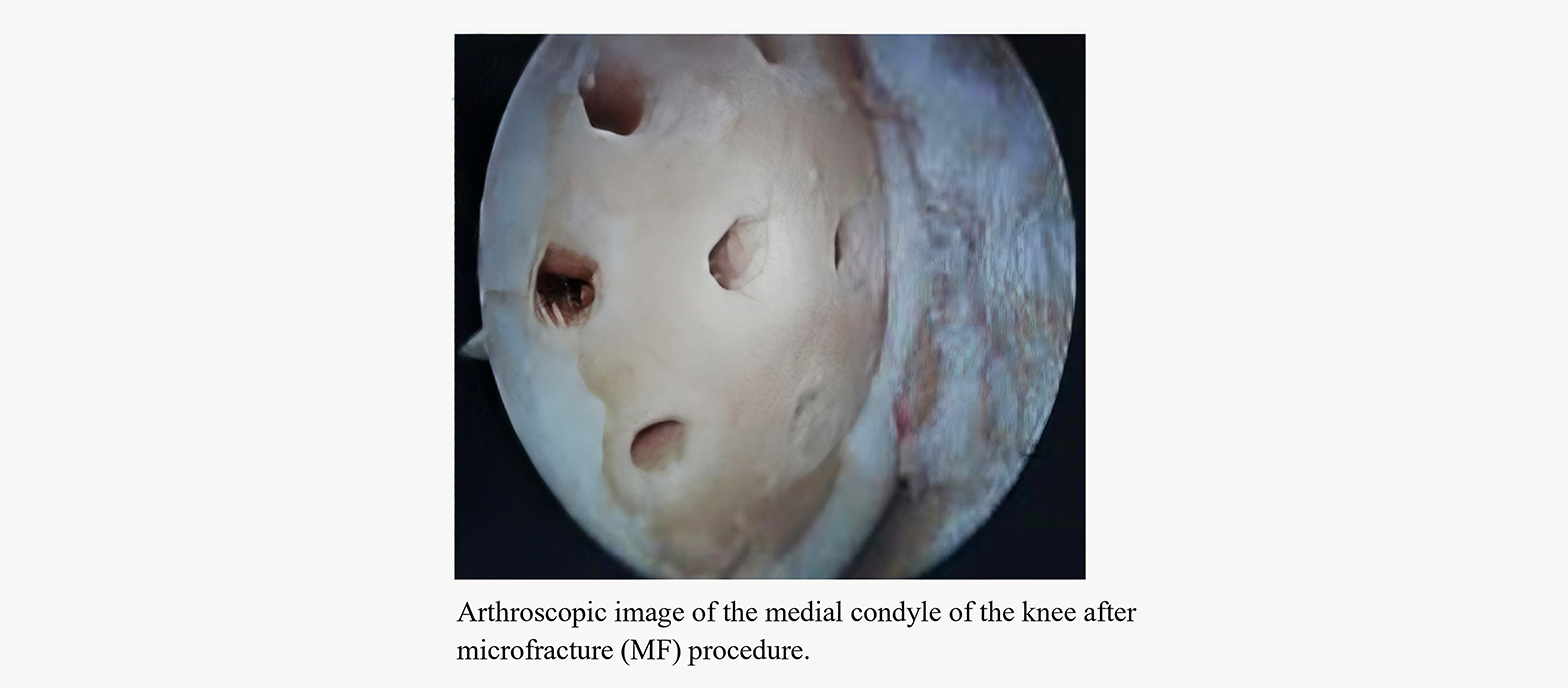
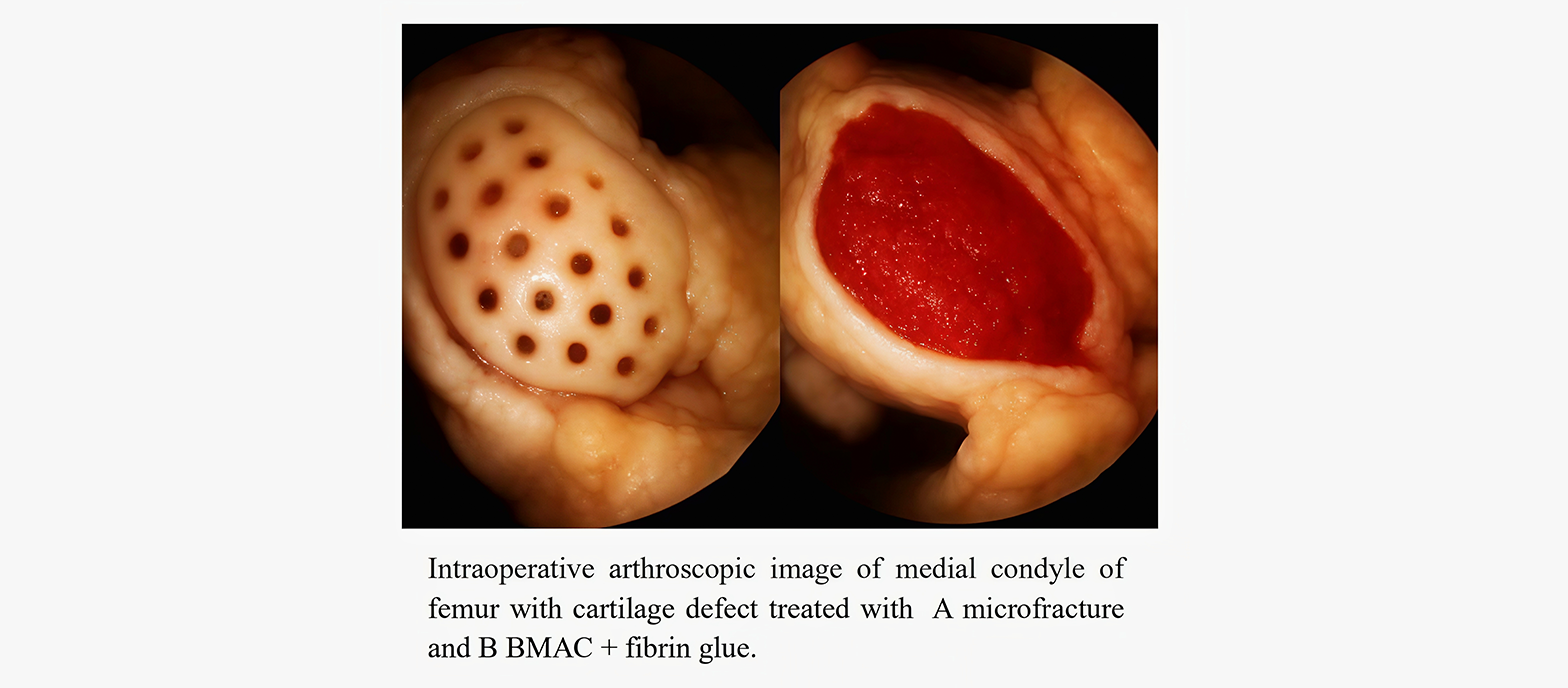
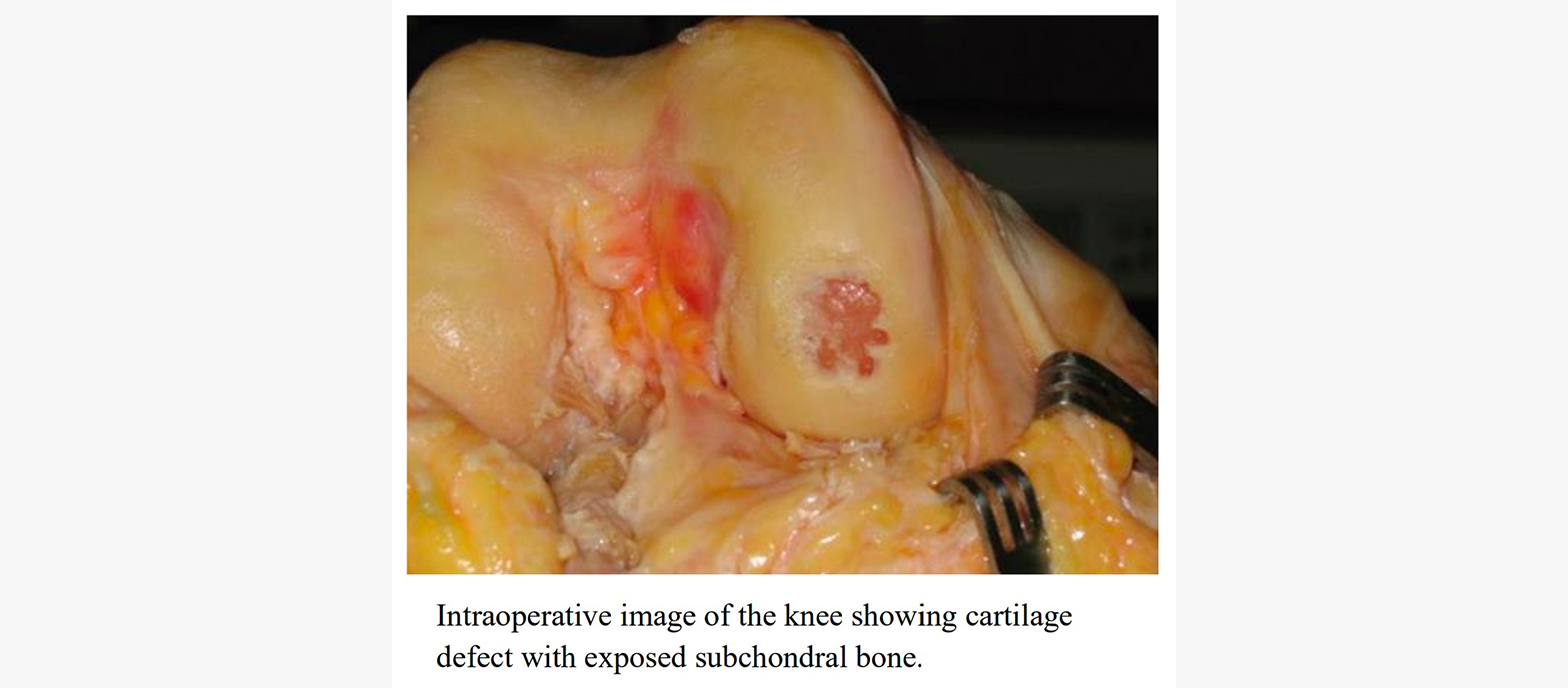
Microfracture is a simple surgical procedure used to treat small areas of damaged cartilage in the knee. The surgeon makes tiny holes (microfractures) in the bone under the damaged cartilage.
Why is it done?
It is done to help your body grow new cartilage in places where the smooth surface is worn out. This helps reduce pain and improvement.
When is microfracture needed?
It is usually done when:
• Your knee cartilage is particularly damaged at single spot
• When the affected area is too small, that doesn’t require extensive measures.
• The rest of your knee is healthy
What happens after microfracture?
The bone marrow cells seep out and heals in the defect as fibrocartilage, such that the wornout cartilage is replaced and you will not feel pain which occurs due to the rubbing of the exposed bone.
How soon will I recover?
Initially your knee and the site of microfrature is protected for 6-8 weeks by either toe touch weight bearing or partial weight bearing (25%). At the start ROM is initiated passively and progressed to active phase. Resistance exercises started after 8 weeks. At the end of 3 to 4 months you may resume normal day to day activities. Competitive athletic activity will take 12 months after athletic training.
Is there any risk associated with the procedure?
Microfracture is one of the safest procedures.
BMAC + FIBRIN GLUE PROCEDURE
What is the BMAC + FIBRIN glue procedure?
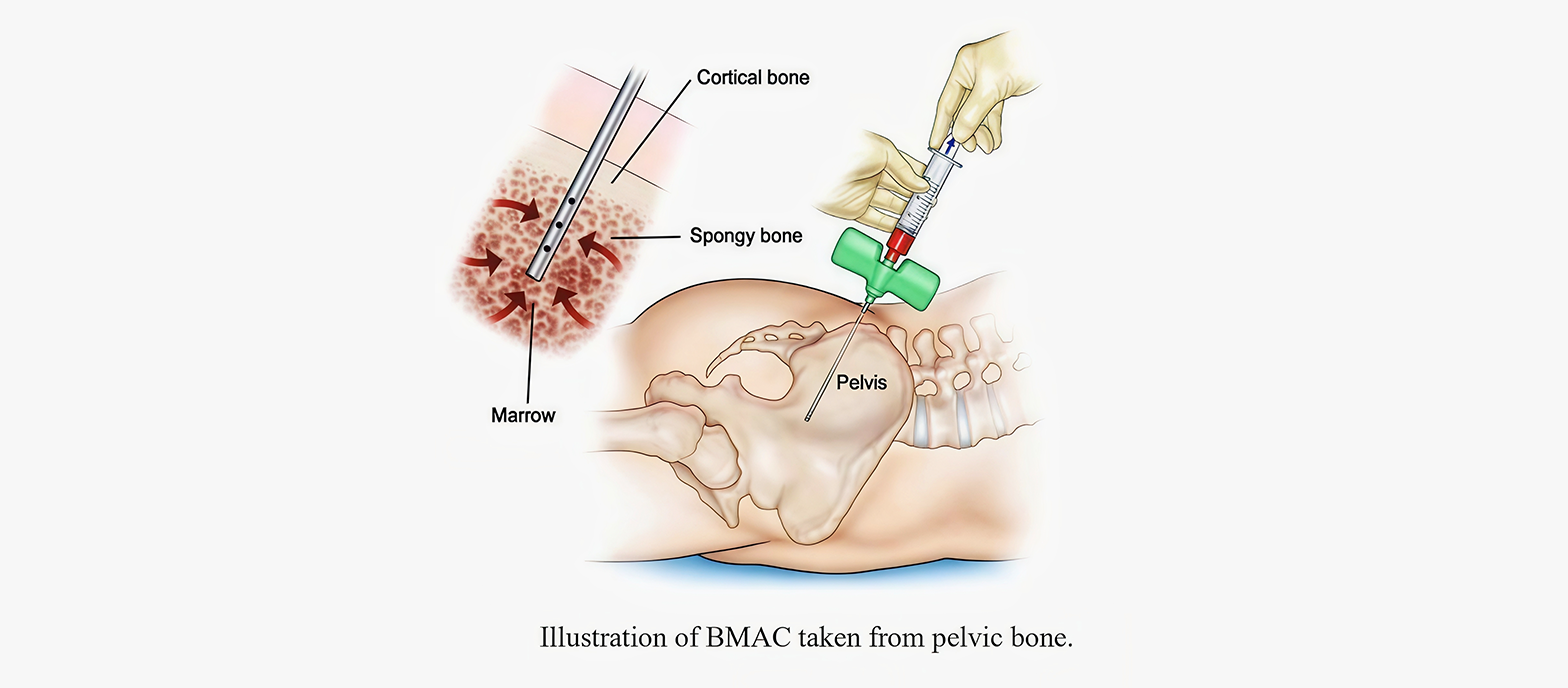
BMAC (Bone Marrow Aspirate Concentrate) is taken from your bone marrow (usually from your pelvic bone) that contains stem cells and healing cells. These cells help in repairing and regenerating damaged tissue like cartilage, bone, etc.
What is fibrin glue?
Fibrin glue is a natural medical glue made from blood proteins. It helps to hold things in place and creates a safe environment for healing. It works like a “bandage” to keep the BMAC where it is needed for healing.
Why is this procedure done?
This procedure is done to:
• Repair damaged cartilage in the knee
• Help the knee heal naturally using your own body’s cells
• Reduce pain and improve joint function without major surgery
How is the procedure done?
First, the doctor takes a small amount of bone marrow from your pelvic bone. The BMAC (healing part) is separated and prepared using a machine. Then, it is injected into the damaged area of your knee, and fibrin glue is applied to hold it in place. This helps the cells stay and grow where healing is needed.
Are there any risks?
The procedure is generally considered safe.
MINCED CARTILAGE IMPLANTATION
What is Minced Cartilage Implantation?
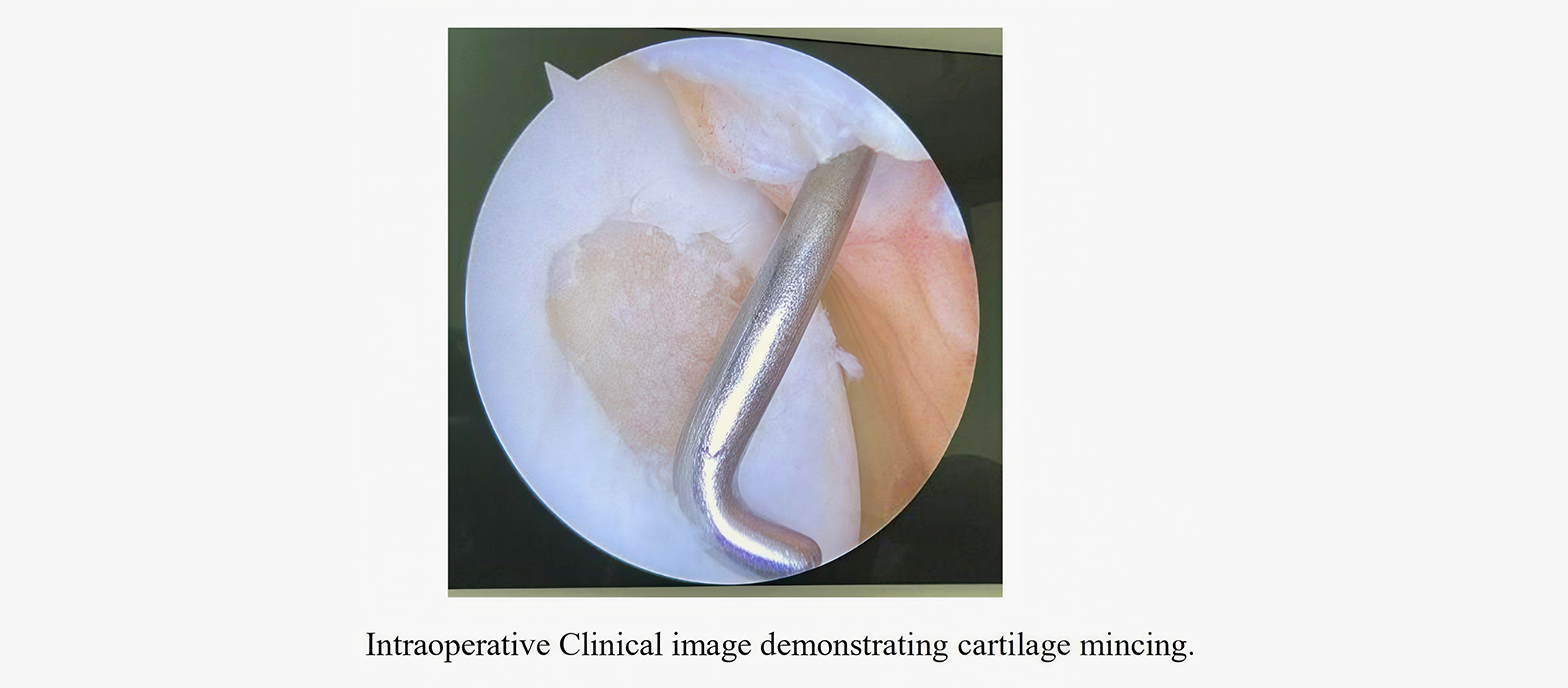
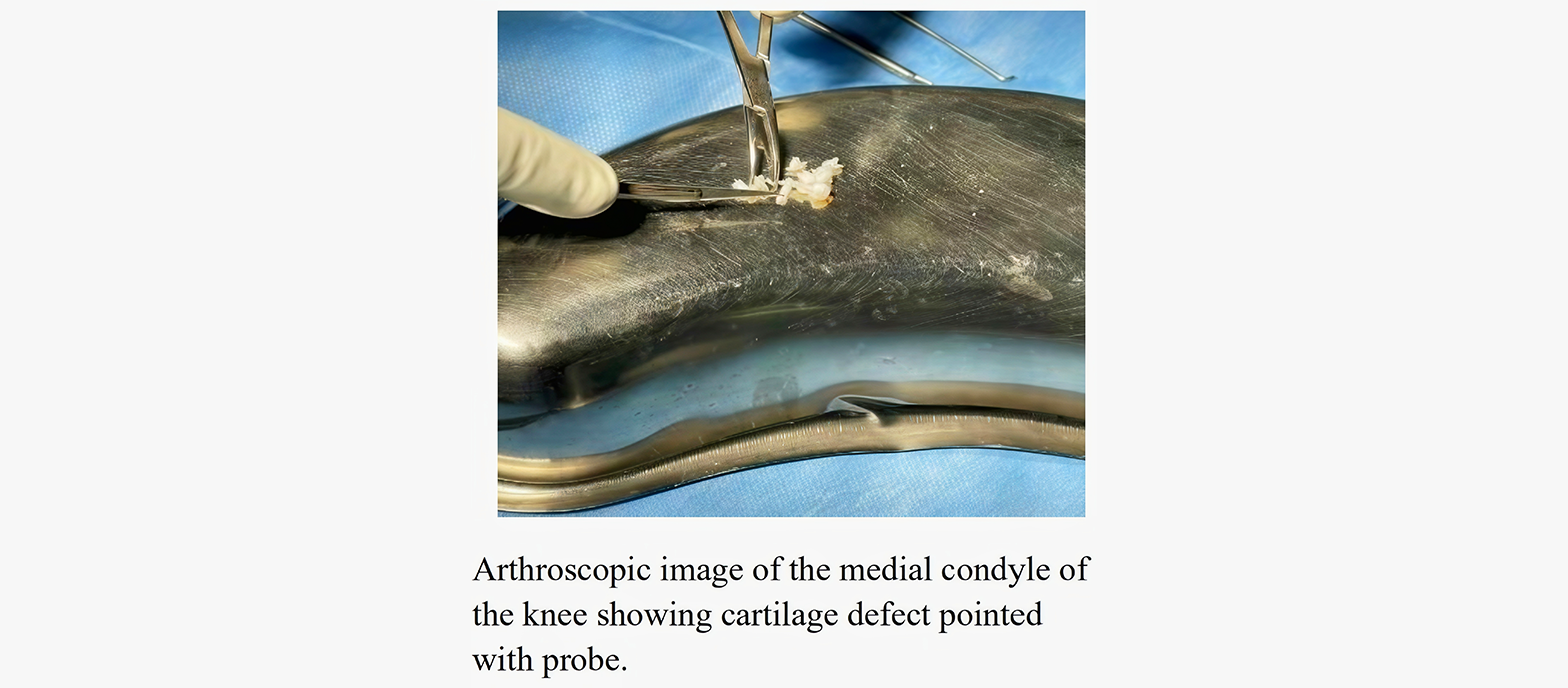
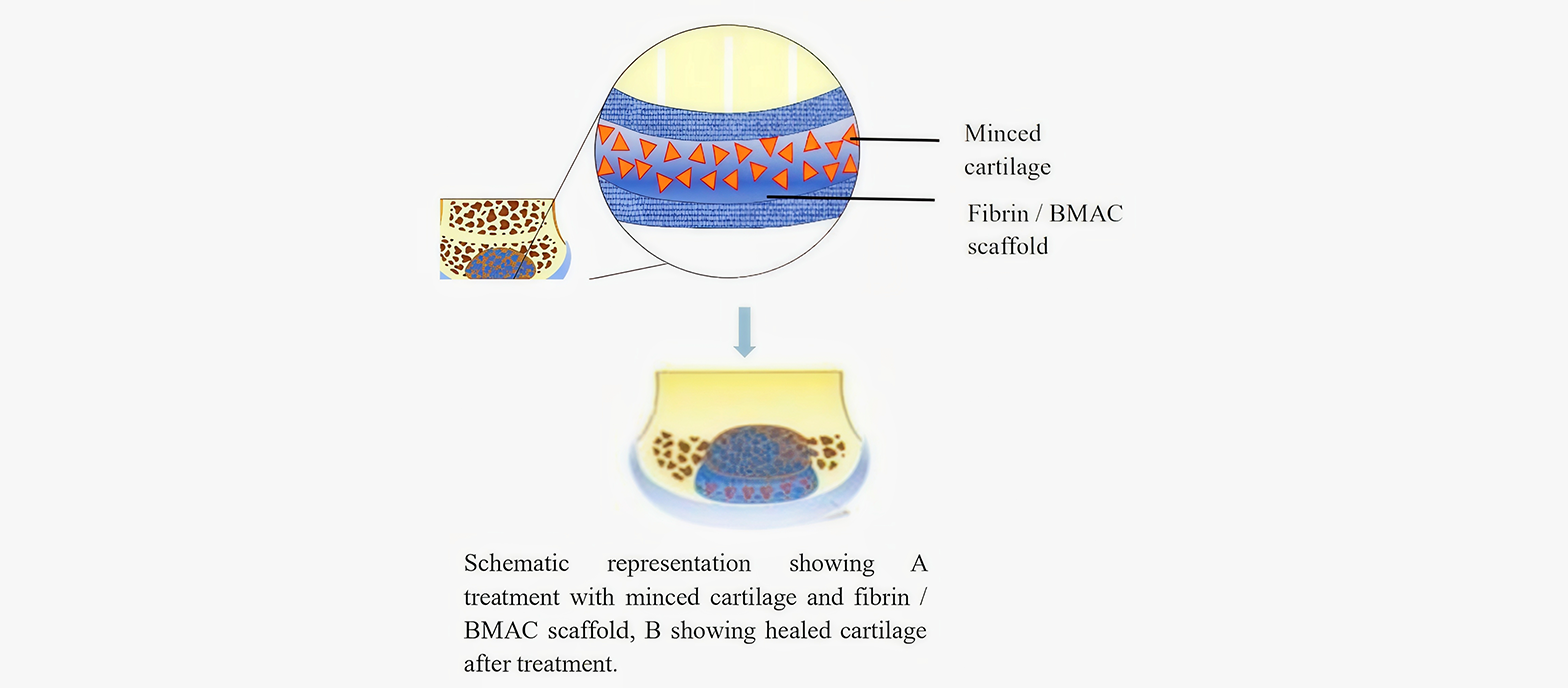
Minced Cartilage Implantation (MCI) is a cartilage repair procedure where small pieces of your own healthy cartilage are taken, chopped into tiny bits (minced), and placed into the area of cartilage damage in your knee to help it heal and regrow.
Why is it done?
This procedure is done to treat cartilage damage in the knee caused by injury or early arthritis. Cartilage does not heal well on its own, so MCI helps fill the damaged area with healthy cartilage pieces that can grow and form new tissue.
What is the surgical procedure?
During arthroscopic or mini-open surgery, a small amount of healthy cartilage is taken from a non-weightbearing area of your knee. It is then minced into small pieces, placed into the damaged area, and covered with fibrin glue to keep it in place and promote healing.
What is recovery like?
You may need to use crutches for a few weeks to keep weight off the joint. The doctor will guide you through a rehabilitation program that includes exercises to restore movement and strength. Full recovery usually takes 6 to 8 months.
Are there any risks in the procedure?
No specific risk is associated with MCI. It involves rare risks associated with any surgery. In general MCI is considered very safe procedure.
OATS - PROCEDURE
What is oats procedure?
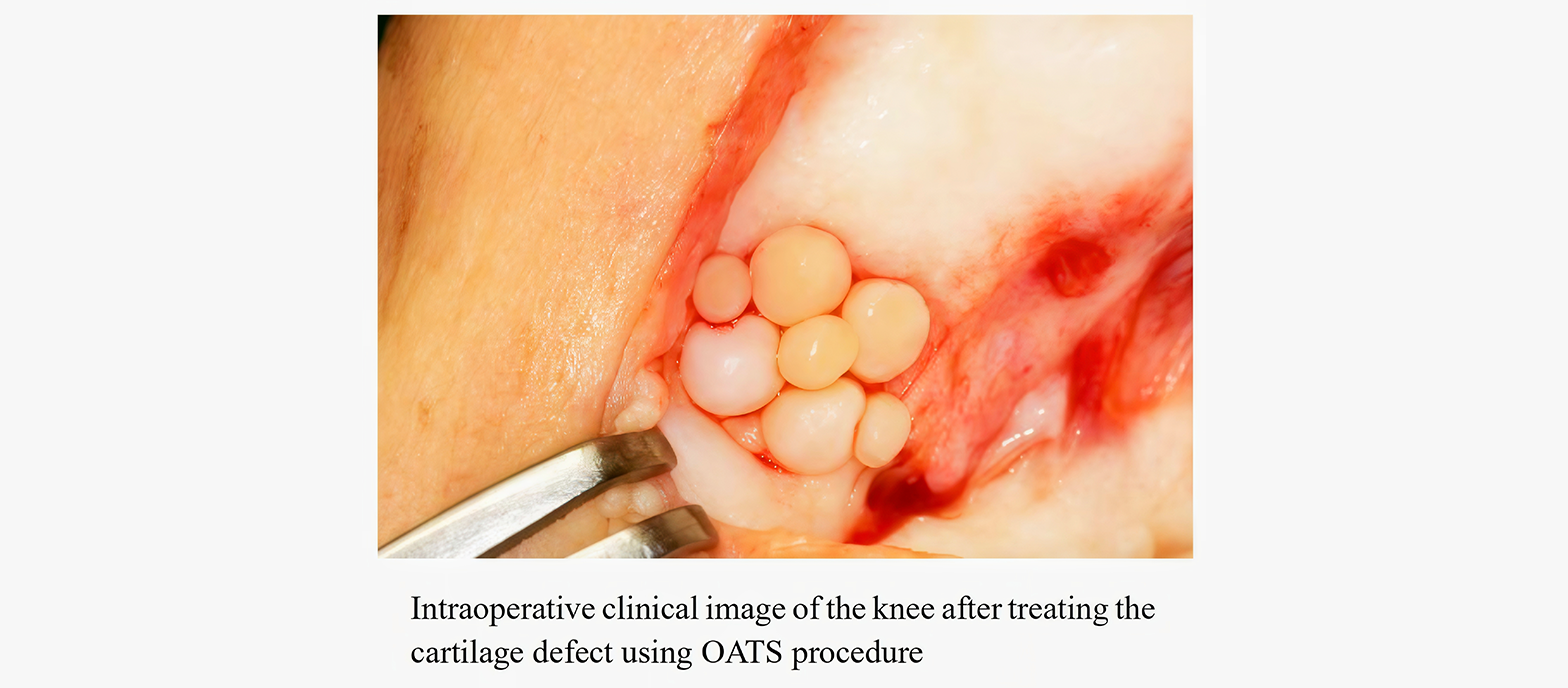
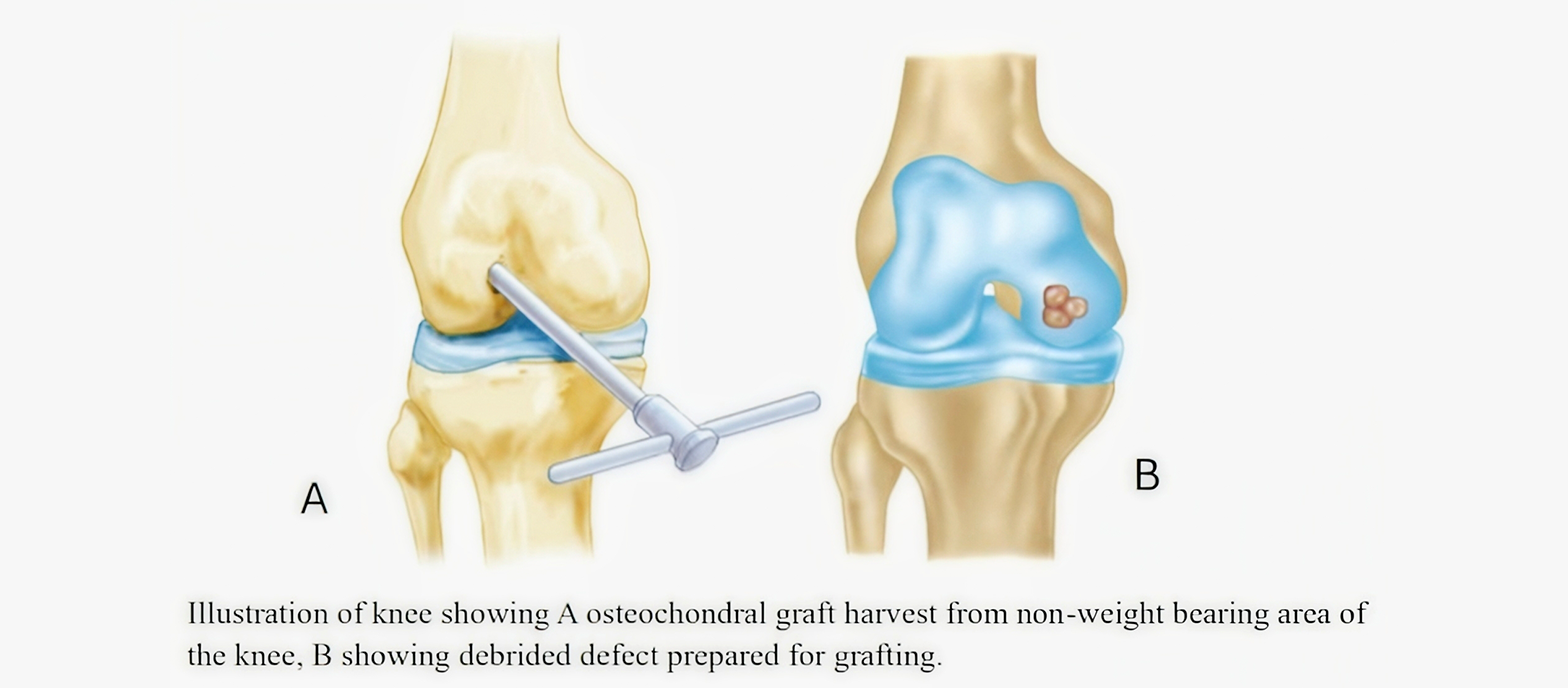
The OATS (Osteochondral Autograft Transfer System) procedure is a surgery where a small plug of healthy bone and cartilage is taken from a non-weight-bearing area of your knee and grafted to the damaged area. This helps repair cartilage and reduce pain.
Why is it done?
It is done to treat cartilage damage in the knee. The goal is to restore the smooth surface of cartilage using your own cartilage fragment (autograft). So your knee moves better and bears weight without pain.
What is the surgical procedure?
The doctor takes a small plug of bone and cartilage from a healthy part of your knee. Then, they place it into a hole made in the damaged area. It fits aptly like a puzzle piece, helping the surface become smooth again.
Are there any risks?
In general OATS procedure don’t have any specific risks and it is safe and advanced procedure with excellent results.
ALLOGRAFT OSTEOCHONDRAL TRANSPLANTATION
What is allograft osteochondral transplantation?
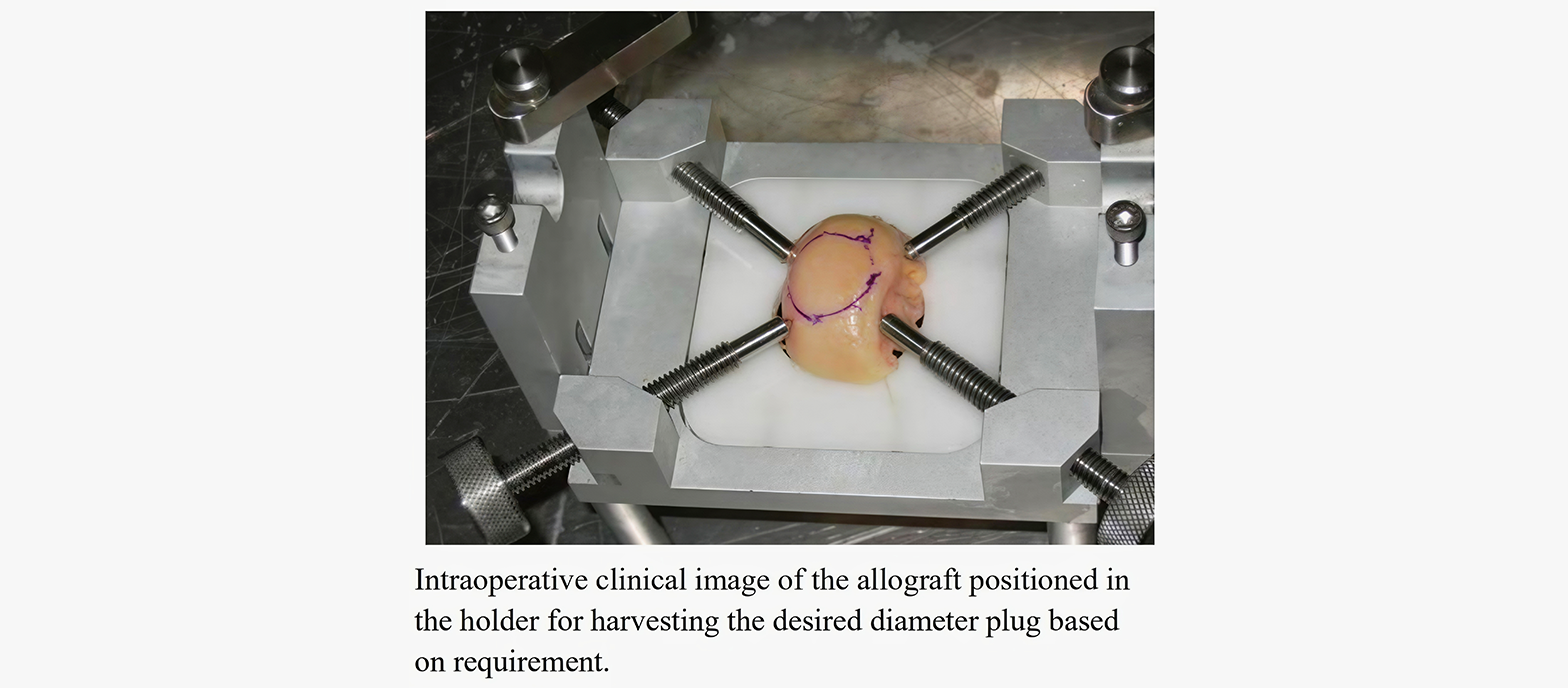
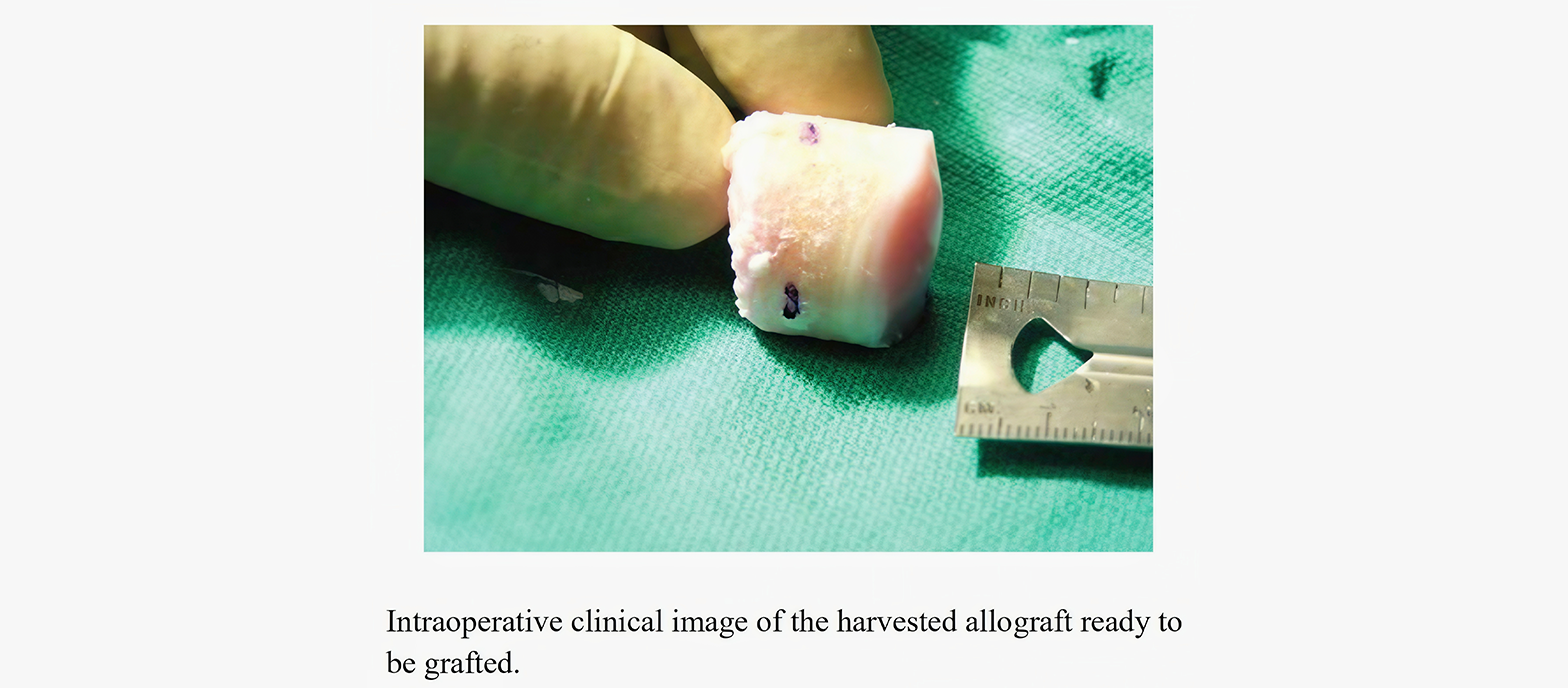
This is a surgery where a piece of bone and cartilage from a donor (another person) is used to replace damaged cartilage in your knee. It helps restore the smooth surface of the joint.
What does “allograft” mean?
Allograft means the tissue is taken from a donor, not
from your own body. It is processed and made safe
before being used in surgery.
Why is this procedure done?
It is done when:
• The cartilage damage is large or deep
• Your tissue (autograft) is not enough
• Other treatments like microfracture or OATS are not suitable or helpful
This helps reduce pain, improve knee function, and delay the need for knee replacement.
How is the surgery done?
The damaged area of your knee is cleaned and prepared. Then, a matching piece of bone and cartilage from the donor (allograft) is shaped and placed into the damaged spot. It is fixed in place like a puzzle piece.
What are the benefits?
• Can repair large cartilage defects
• Uses real bone and cartilage, not artificial
• Can delay or prevent knee replacement
• Improves pain and knee movement
Are there any risks?
There some risks associated like infection, delayed healing, non-union & rarely graft rejection in minor percentage of people. Generally the procedure is considered safe.
AUTOLOGOUS CHONDROCYTE IMPLANTATION (ACI)
What is chondrocyte implantation?
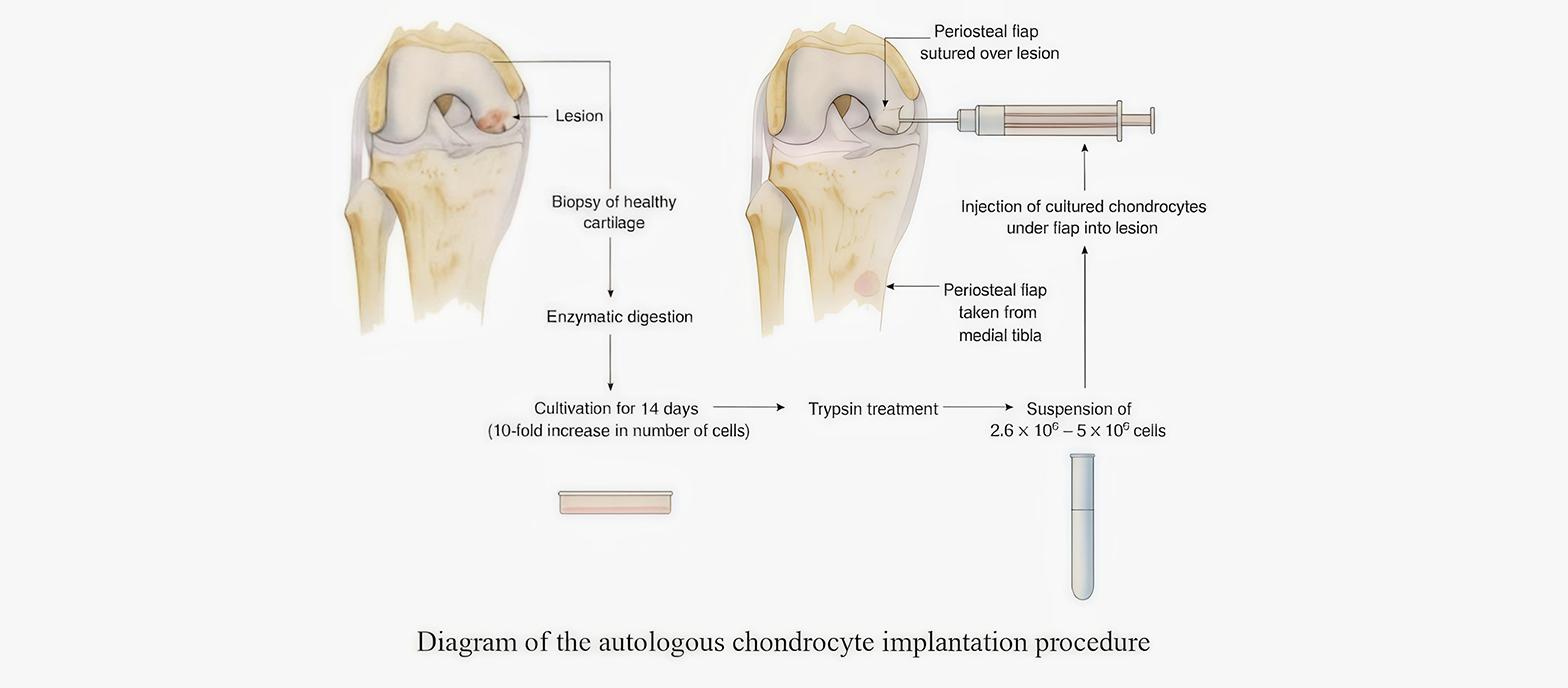
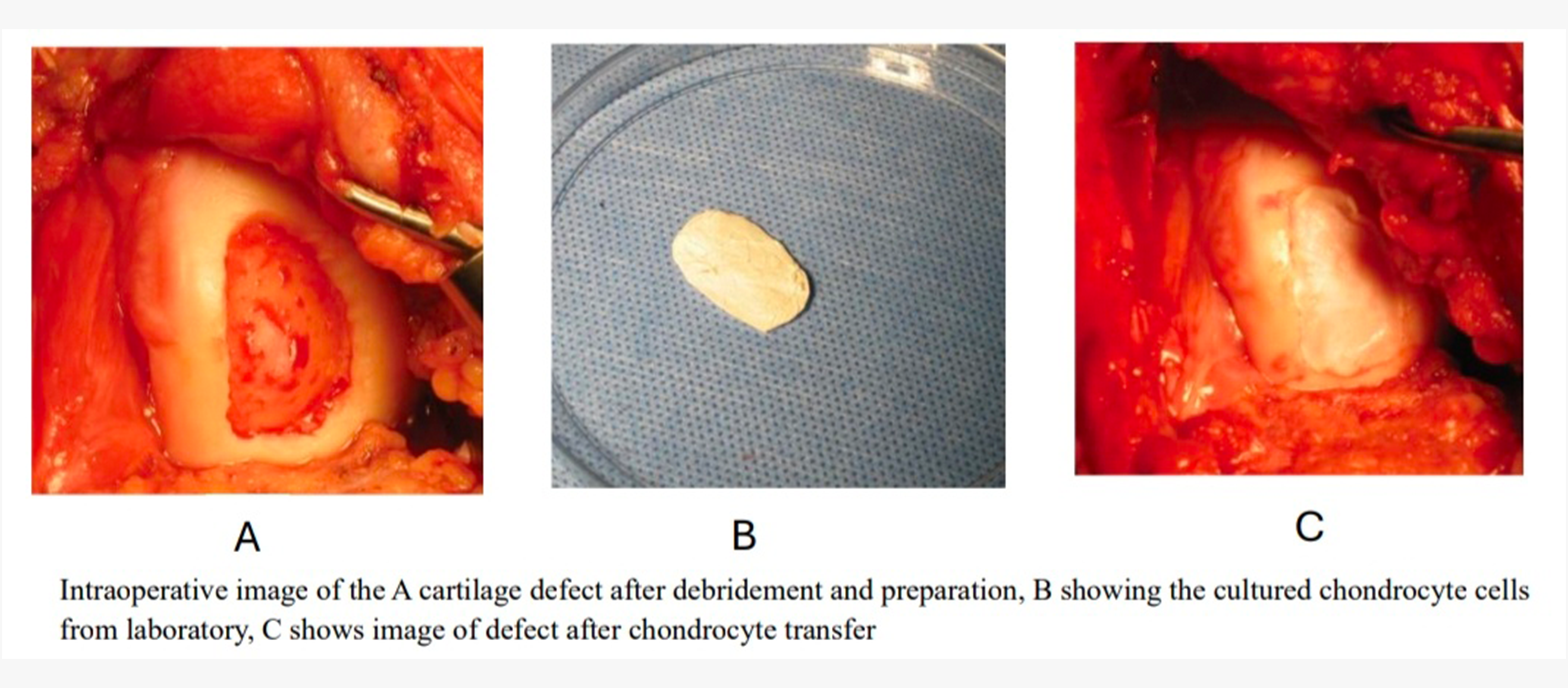
Chondrocyte transplantation is a surgery where the doctor uses your cartilage cells (chondrocytes) to regrow new cartilage in your knee. It helps fix areas where the cartilage or smooth joint surface is damaged. Especially, it is preferred when the defect is less than 6 to 8mm in depth.
Why is this procedure done?
It is done to treat damaged cartilage in knee. It helps reduce pain, improve movement, and protect the knee joint from wearing out early (arthritis).
How is the procedure done?
Step 1: The doctor takes a small piece of healthy cartilage from your knee. These cells are sent to a lab where they are grown for a few weeks.
Step 2: The grown cells are then implanted into the damaged area of your knee during a second surgery. The area is covered with a periosteal layer to keep the cells in place.
Are there any risks associated with the procedure?
Though prolonged period of treatment and rehabilitation along with double procedure is a demerit, this procedure is becoming increasingly popular as it has the advantage of healing larger defects with the patient’s own graft. The procedure is otherwise considered safe.