

Trauma
1. Fractures Of Long Bones
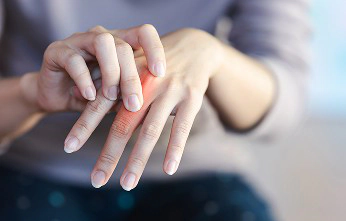
Hand and wrist fractures are breaks in the bones of the wrist, palm, or fingers. This includes bones like the radius and ulna (forearm near the wrist), carpal bones (in the wrist), metacarpals (in the hand), and phalanges (fingers).
These fractures are commonly caused by falls on an outstretched hand, sports injuries, direct trauma, or accidents like twisting the hand or crushing injuries. In elderly people, osteoporosis can make these bones more likely to break even with minor falls
The main symptoms include pain, swelling, bruising, and difficulty moving the fingers or wrist. In some cases, there may be visible deformity, stiffness, or numbness if nerves are involved.
Diagnosis is made by a physical examination and confirmed using X-rays. Sometimes, a CT scan may be needed to evaluate joint involvement or complex fractures
Treatment depends on the type and location of the fracture:
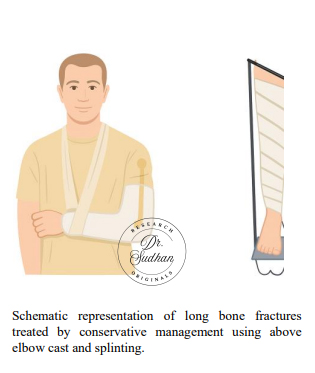
- Stable fractures may only need a splint or cast
- Displaced or unstable fractures may require surgical fixation with wires, screws, or plates
- Finger fractures might be treated with buddy strapping or mini wires / pins
Healing usually takes 4–6 weeks, depending on the bone and severity of the fracture. Physiotherapy is important after immobilization to regain strength,
2.Fractures Of The Hand & Wrist
Hand and wrist fractures are breaks in the bones of the wrist, palm, or fingers. This includes bones like the radius and ulna (forearm near the wrist), carpal bones (in the wrist), metacarpals (in the hand), and phalanges (fingers).
These fractures are commonly caused by falls on an outstretched hand, sports injuries, direct trauma, or accidents like twisting the hand or crushing injuries. In elderly people, osteoporosis can make these bones more likely to break even with minor falls
The main symptoms include pain, swelling, bruising, and difficulty moving the fingers or wrist. In some cases, there may be visible deformity, stiffness, or numbness if nerves are involved.
Diagnosis is made by a physical examination and confirmed using X-rays. Sometimes, a CT scan may be needed to evaluate joint involvement or complex fractures
Treatment depends on the type and location of the fracture:
- Stable fractures may only need a splint or cast
- Displaced or unstable fractures may require surgical fixation with wires, screws, or plates
- Finger fractures might be treated with buddy strapping or mini wires / pins
Healing usually takes 4–6 weeks, depending on the bone and severity of the fracture. Physiotherapy is important after immobilization to regain strength,