

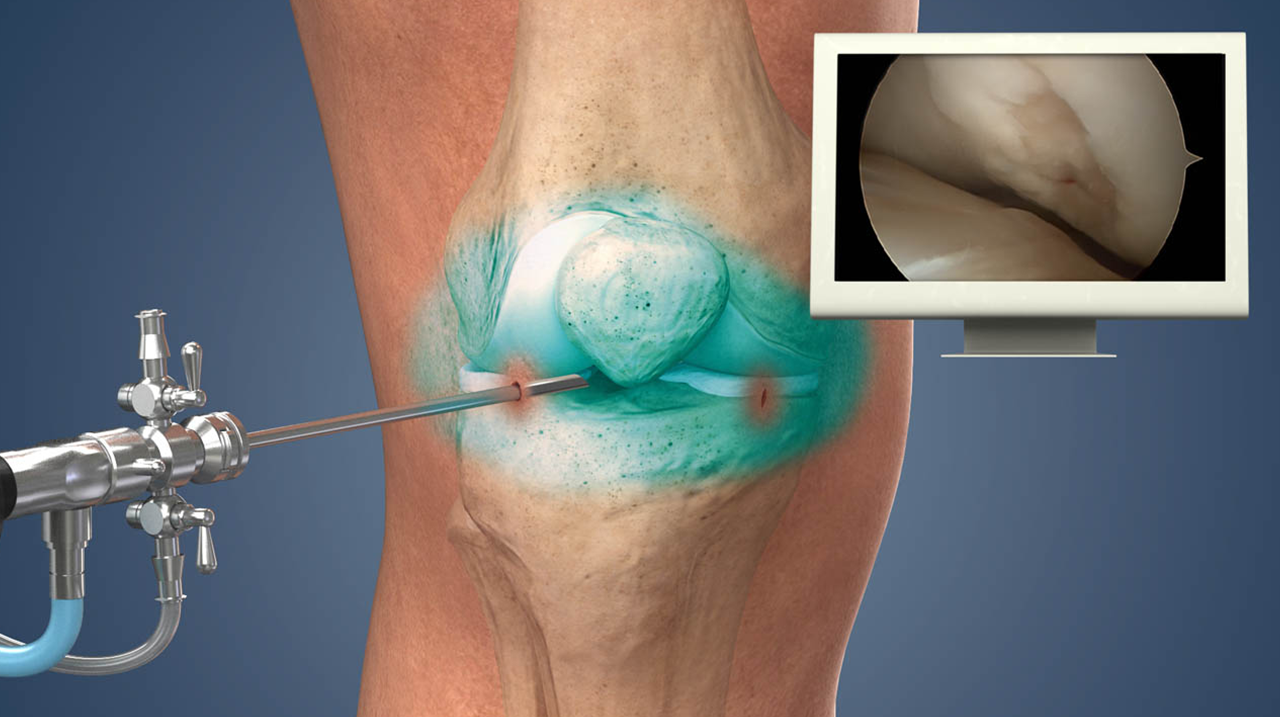
A thin tube with a camera (called an arthroscope) is inserted through a small cut. It helps the doctor to view all around the joint, diagnose, and even treat knee problems without making a big cut.

The knee has two important ligaments on the sides: the MCL (Medial Collateral Ligament) – inner side of the knee (Lateral Collateral Ligament) – outer side of the knee. These ligaments help keep your knee stable during sideways movements.
Ligamentous procedures restore joint stability by repairing or reconstructing torn ligaments, commonly following sports injuries or traumatic knee events.

Sometimes, the first surgery performed to repair a torn ACL or PCL may not heal properly, or the ligament may tear again due to various reasons. Revision surgery involves redoing the ligament reconstruction to restore knee stability and function.
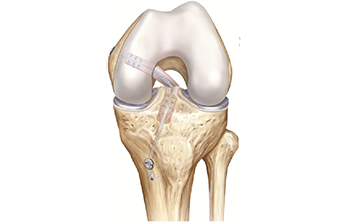
The PCL (Posterior Cruciate Ligament) is another important ligament in the knee. It connects the thigh bone (femur) to the shin bone (tibia) but runs behind the ACL. Its main work is to stop the shin bone from moving too far backward under the thigh bone.
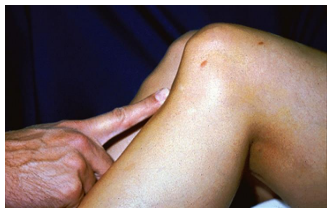
The ACL (Anterior Cruciate Ligament) is a strong band of tissue inside the knee. It connects the thigh bone (femur) to the shin bone (tibia). Its main job isto keep your knee stable during movement, especially when twisting or turning
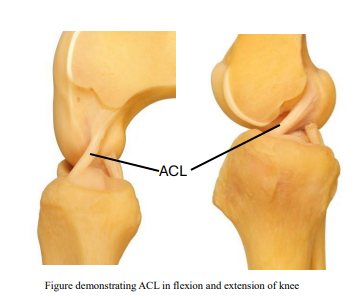
Sometimes, more than one ligament in the knee gets injured at the same time. This is called a multiple ligament injury.
It is the area which corresponds to the inner back part of your knee. It helps keep your knee stable, especially on movements od sports and daily living.

The posterolateral corner (PLC) of the knee is a group of ligaments, tendons, and muscles located at the back and outer side of the knee. It helps to stabilize the knee against twisting, hyperextension, and side-to-side forces, especially when changing direction during sports or walking.
A quadriceps tendon graft is a small piece of tissue (tendon) taken from your thigh muscle (quadriceps), just above the knee cap. This tendon connects your thigh muscle to your kneecap. Doctors use this tendon to replace a damaged ligament in the knee, such as the ACL or PCL.
The MPFL (Medial Patellofemoral Ligament) is a band of tissue on the inner side of the knee. It helpsto keep the kneecap (patella) in place and stops it from sliding out of position.
This procedure is done to help correct the kneecap that does not stay in place or dislocates either in daily activities or during sports activities.
Tibial tubercle transfer is a surgery that helps fix the position of the kneecap (patella) when it moves out of place, often during physical activity. The surgeon cuts a small part of the shin bone (tibial tubercle), which is where the patellar tendon attaches, and moves it to a better position. This prevents the kneecap from dislocation and helps move properly, and reduces discomfort.
Comprehensive Arthroscopic Management (CAM) is a combined keyhole surgery that treats early knee arthritis and other related problems in one sitting. It uses an arthroscope, a thin camera inserted through a small cut, to look inside the knee and perform several treatments in the same procedure to get a better function with relief of symptoms.
Microfracture is a simple surgical procedure used to treat small areas of damaged cartilage in the knee. The surgeon makes tiny holes (microfractures) in the bone under the damaged cartilage.
BMAC (Bone Marrow Aspirate Concentrate) is taken from your bone marrow (usually from your pelvic bone) that contains stem cells and healing cells. These cells help in repairing and regenerating damaged tissue like cartilage, bone, etc.
Minced Cartilage Implantation (MCI) is a cartilage repair procedure where small pieces of your own healthy cartilage are taken, chopped into tiny bits (minced), and placed into the area of cartilage damage in your knee to help it heal and regrow.
The OATS (Osteochondral Autograft Transfer System) procedure is a surgery where a small plug of healthy bone and cartilage is taken from a non-weight-bearing area of your knee and grafted to the damaged area. This helps repair cartilage and reduce pain.
This is a surgery where a piece of bone and cartilage from a donor (another person) is used to replace damaged cartilage in your knee. It helps restore the smooth surface of the joint.
Chondrocyte transplantation is a surgery where the doctor uses your cartilage cells (chondrocytes) to regrow new cartilage in your knee. It helps fix areas where the cartilage or smooth joint surface is damaged. Especially, it is preferred when the defect is less than 6 to 8mm in depth.
The meniscus is a C-shaped soft cushion inside your knee. Each knee has two menisci – one on the inner side (medial) and one on the outer side (lateral). They help absorb shock and protect the bones.
The meniscus is a soft, C-shaped cartilage inside your knee. It works like a shock absorber between the thigh bone and the shin bone. Each knee has two menisci – one on the inner side (medial) and one on the outer side (lateral).
A meniscal cyst is a small fluid-filled swelling that forms near the meniscus in the knee. It often happens when the meniscus is torn and fluid leaks out, collecting in the nearby tissue.
PRP stands for Platelet-Rich Plasma. It is made from your blood. It contains a high number of platelets, which are cells that help with healing. PRP helps your body repair tissues naturally. It doesn’t have any adverse effects.
Plantar fasciitis is a common cause of heel pain. It happens when the plantar fascia, a thick band of tissue at the bottom of your foot gets inflamed and thickened.

Osteonecrosis of the knee is a condition where a part of the bone in the knee loses its blood supply, causing the bone tissue to die and weaken. This can lead to pain, bone collapse (cartilage defect), and joint damage (arthristis) over time.
Viscosupplementation is a treatment where a gel-like substance called hyaluronic acid is injected into the knee joint. This substance is similar to the natural fluid that helps lubricate and cushion the joints. It is used mainly to treat knee osteoarthritis and helps the joint move more smoothly with less pain.
BMAC stands for Bone Marrow Aspirate Concentrate, which is a special preparation made from a person’s own bone marrow. It contains stem cells and growth factors that help in healing and tissue regeneration, especially in joints, cartilage, and tendons.

HTO is a surgery that involves reshaping the upper shin bone (tibia) to reduce uneven pressure on the knee joint thereby decreasing the progression of arthritis and also symptoms.

Distal Femoral Osteotomy (DFO) is a surgery where the lower end of the thigh bone (femur) is cut and reshaped to correct the alignment of the leg and reduce pressure on the damaged part of the knee. It is usually done for people who have a knock-knee deformity (valgus) and pain on the outer side of the knee due to arthritis or joint wear.
Double osteotomy is a surgery where both the thigh bone (femur) and the shin bone (tibia) are cut and realigned to correct severe knee deformities. It is usually done when there is a combination of bone angulation problems in both the upper and lower parts of the leg, which cause pain, instability, or uneven load on the knee joint.
Minimally Invasive Total Knee Arthroplasty (TKA) is a modern surgical method used to replace the knee joint. Unlike traditional techniques, it uses a smaller incision and causes less harm to surrounding muscles and tissues thereby creating faster healing and early return to normal activity without pain.
Unicondylar Knee Arthroplasty (UKA) is a type of knee surgery where only one part of the knee joint is replaced. This is usually the inner (medial) or outer (lateral) side. Unlike total knee replacement, the entire joint is not replaced — only the damaged part is treated. This helps reduce pain and improve movement while keeping the healthy parts of the knee untouched.
Revision knee arthroplasty is a surgery to fix or replace a knee that had a previous knee replacement but is now causing problems or failed. Sometimes the first knee implant gets loose, wears out, or causes pain. This surgery removes the old implant and puts in a new one to help the knee work better and feel less painful. It is a more difficult surgery than the first one because of changes in the knee from the earlier operation.

Limb salvage procedure is a surgery done to save a leg or arm instead of removing (amputating) it. It is usually done for people with bone cancer, serious injuries, or infections. The damaged part of the bone or tissue is removed, and then replaced with metal implants, bone grafts, or other materials. The goal is to keep the limb working as normally as possible and avoid amputation.
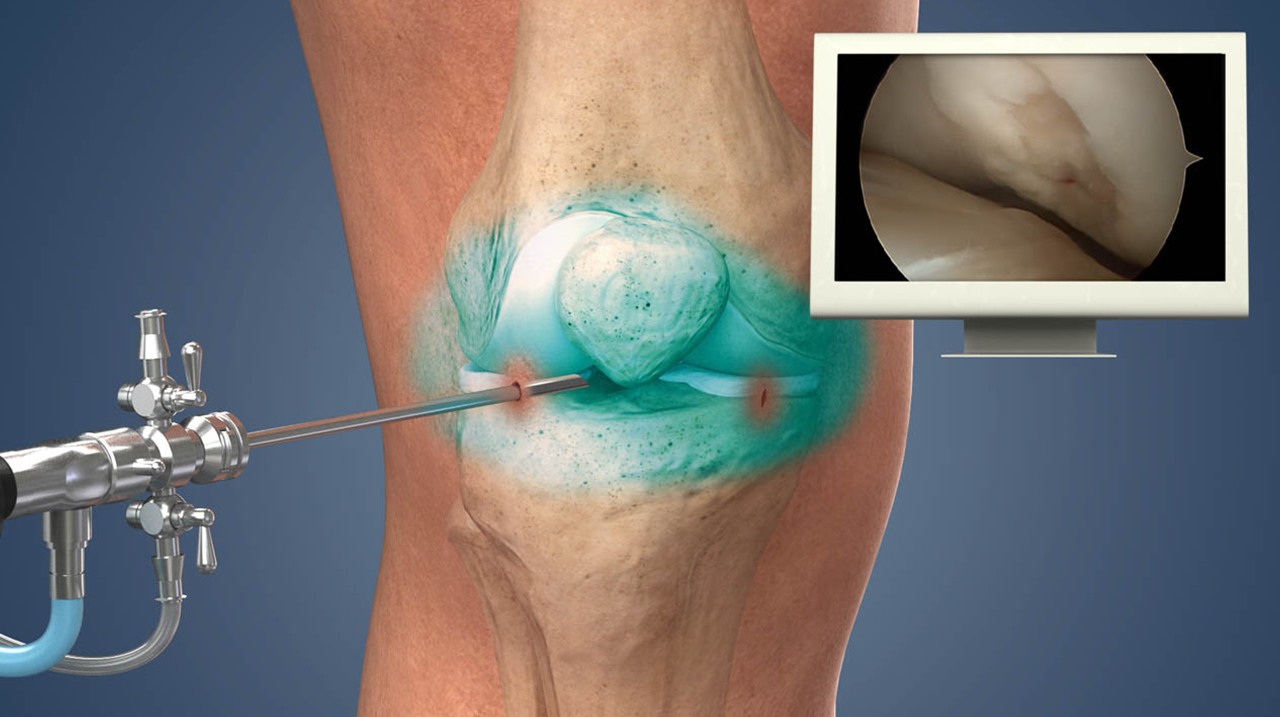
A thin tube with a camera (called an arthroscope) is inserted through a small cut. It helps the doctor to view all around the joint, diagnose, and even treat knee problems without making a big cut.
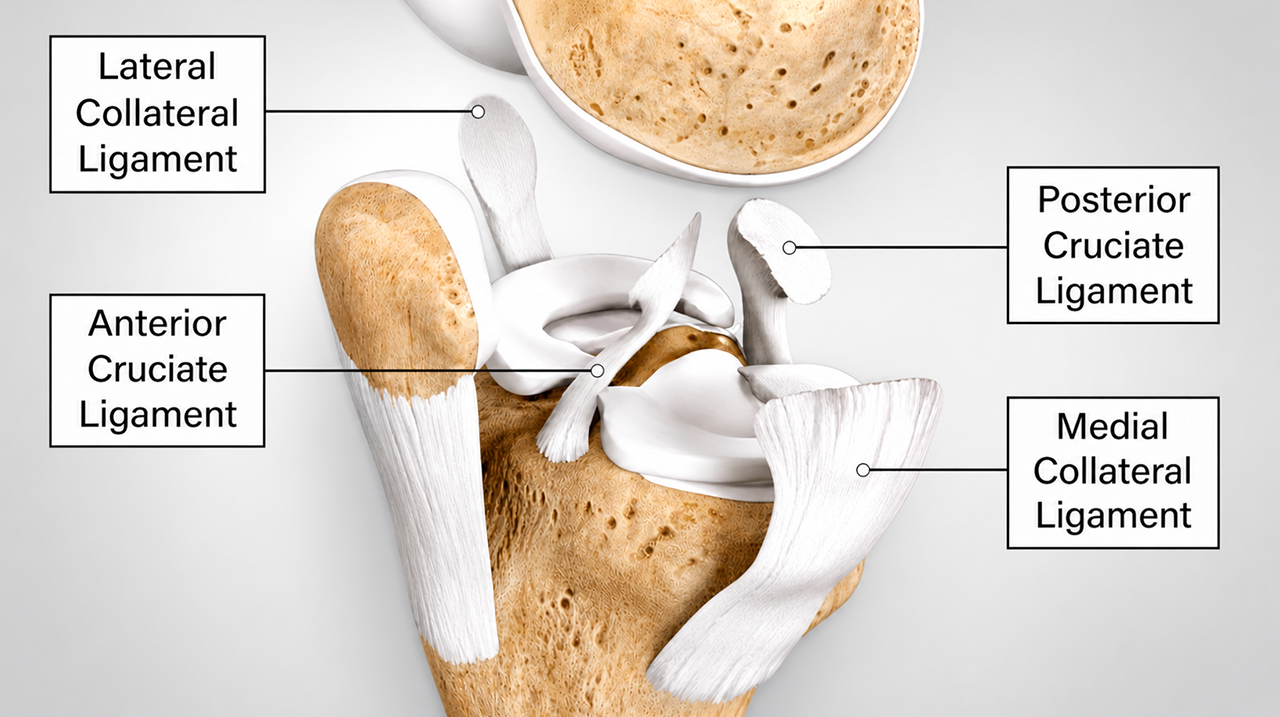
Ligament reconstruction procedures restore joint stability by replacing damaged ligaments with grafts, using precise surgical techniques to improve function, biomechanics, and long-term joint integrity
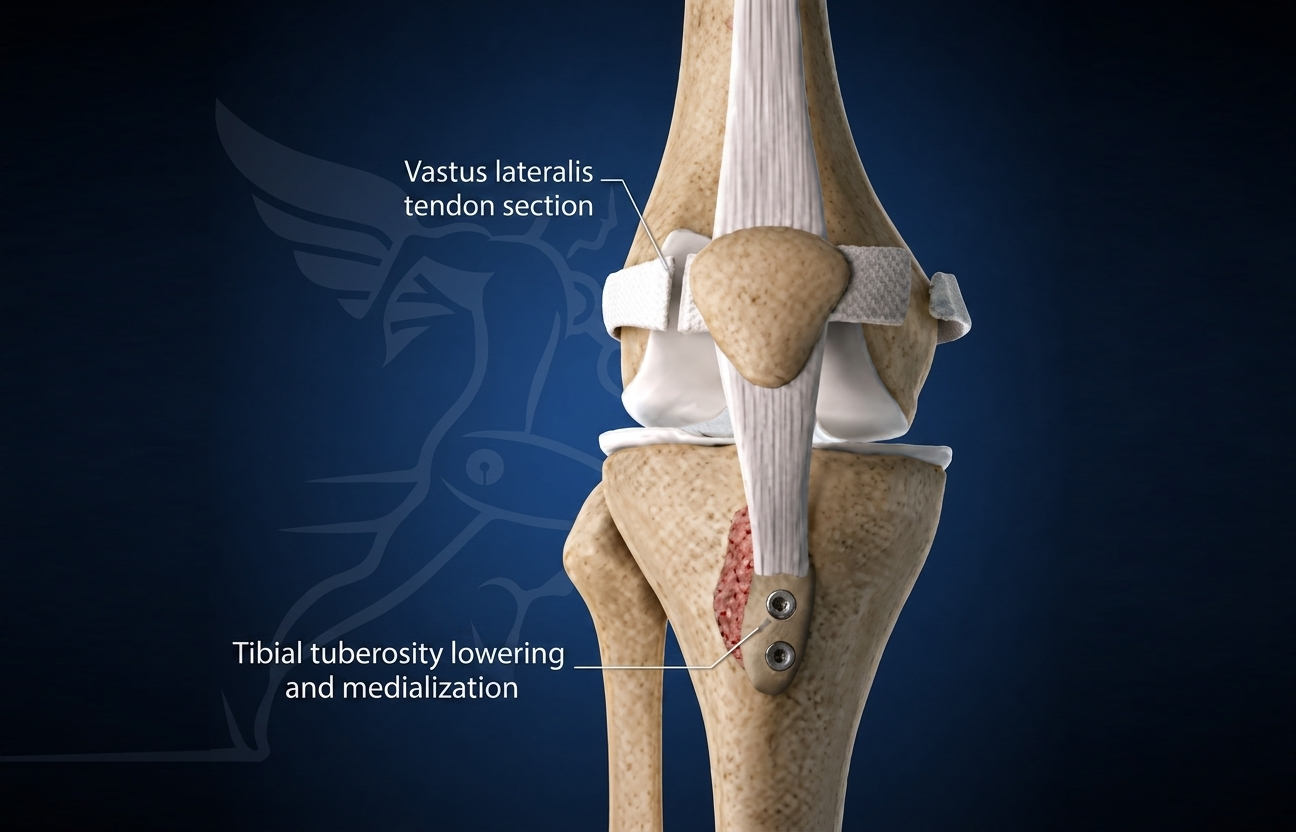
Patellar procedures address instability, maltracking, and cartilage pathology using realignment, reconstruction, or resurfacing techniques to restore knee mechanics, reduce pain, and improve functional outcomes.
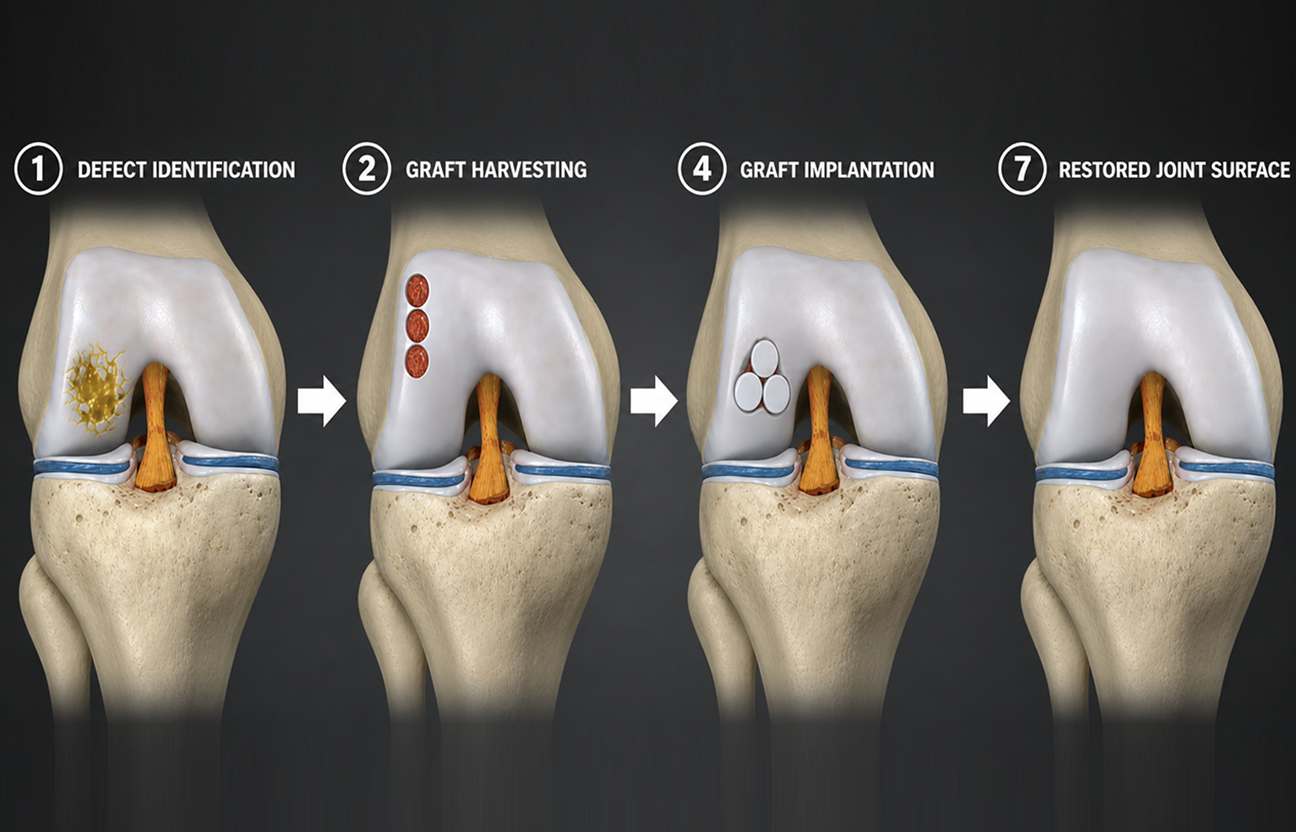
Comprehensive Arthroscopic Management (CAM) is a combined keyhole surgery that treats early knee arthritis and other related problems in one sitting. It uses an arthroscope, a thin camera inserted through a small cut, to look inside the knee and perform several treatments in the same procedure to get a better function with relief of symptoms
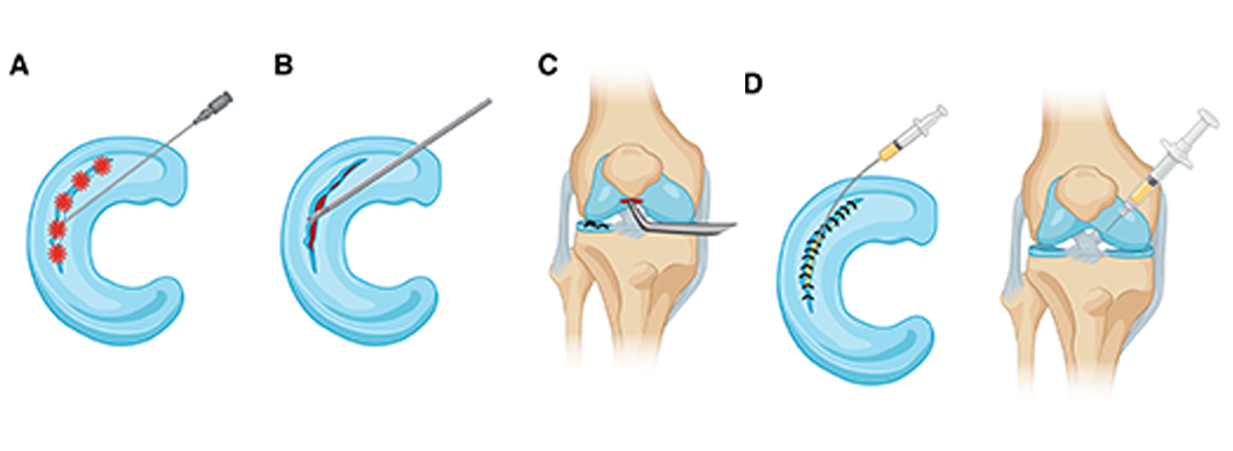
The meniscus is a C-shaped soft cushion inside your knee. Each knee has two menisci – one on the inner side (medial) and one on the outer side (lateral). They help absorb shock and protect the bones.
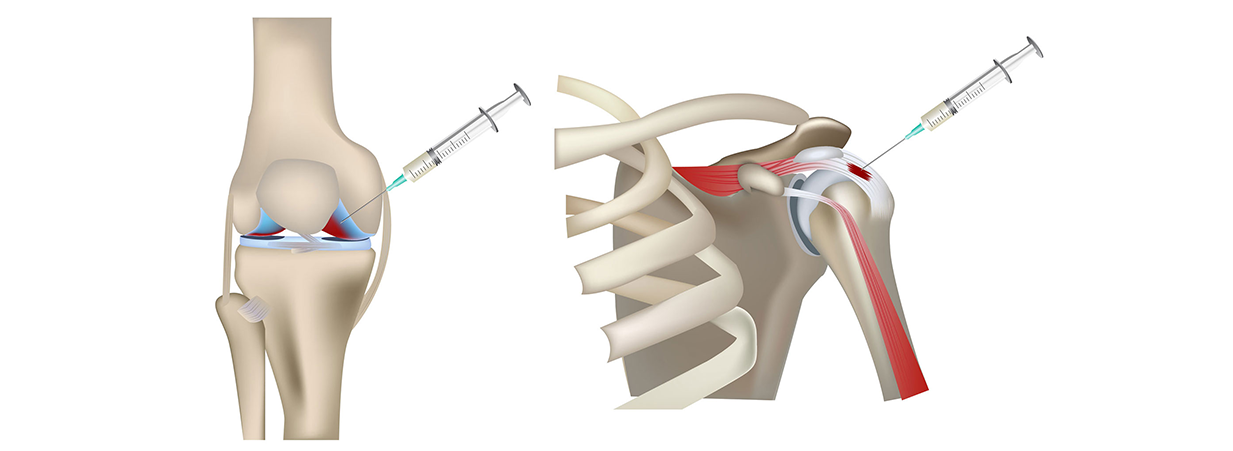
PRP stands for Platelet-Rich Plasma. It is made from your blood. It contains a high number of platelets, which are cells that help with healing. PRP helps your body repair tissues naturally. It doesn’t have any adverse effects.
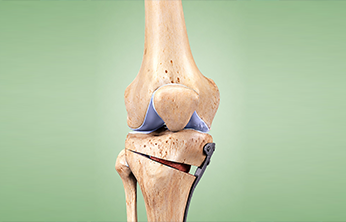
HTO is a surgery that involves reshaping the upper shin bone (tibia) to reduce uneven pressure on the knee joint thereby decreasing the progression of arthritis and also symptoms.
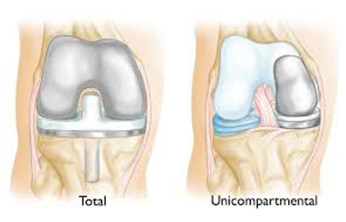
Minimally Invasive Total Knee Arthroplasty (TKA) is a modern surgical method used to replace the knee joint. Unlike traditional techniques, it uses a smaller incision and causes less harm to surrounding muscles and tissues thereby creating faster healing and early return to normal activity without pain.