MINIMALLY INVASIVE TOTAL KNEE ARTHROPLASTY
Introduction
Minimally Invasive Total Knee Arthroplasty (TKA) is a modern surgical method used to replace the knee joint. Unlike traditional techniques, it uses a smaller incision and causes less harm to surrounding muscles and tissues thereby creating faster healing and early return to normal activity without pain.
Incision Size and Technique
The incision is usually between 3 to 6 inches, compared to 8 to 12 inches in traditional surgery. This smaller incision allows for quicker healing, faster rehabilitation, faster muscle activation, less pain with a smaller scar.
Surgical Procedure
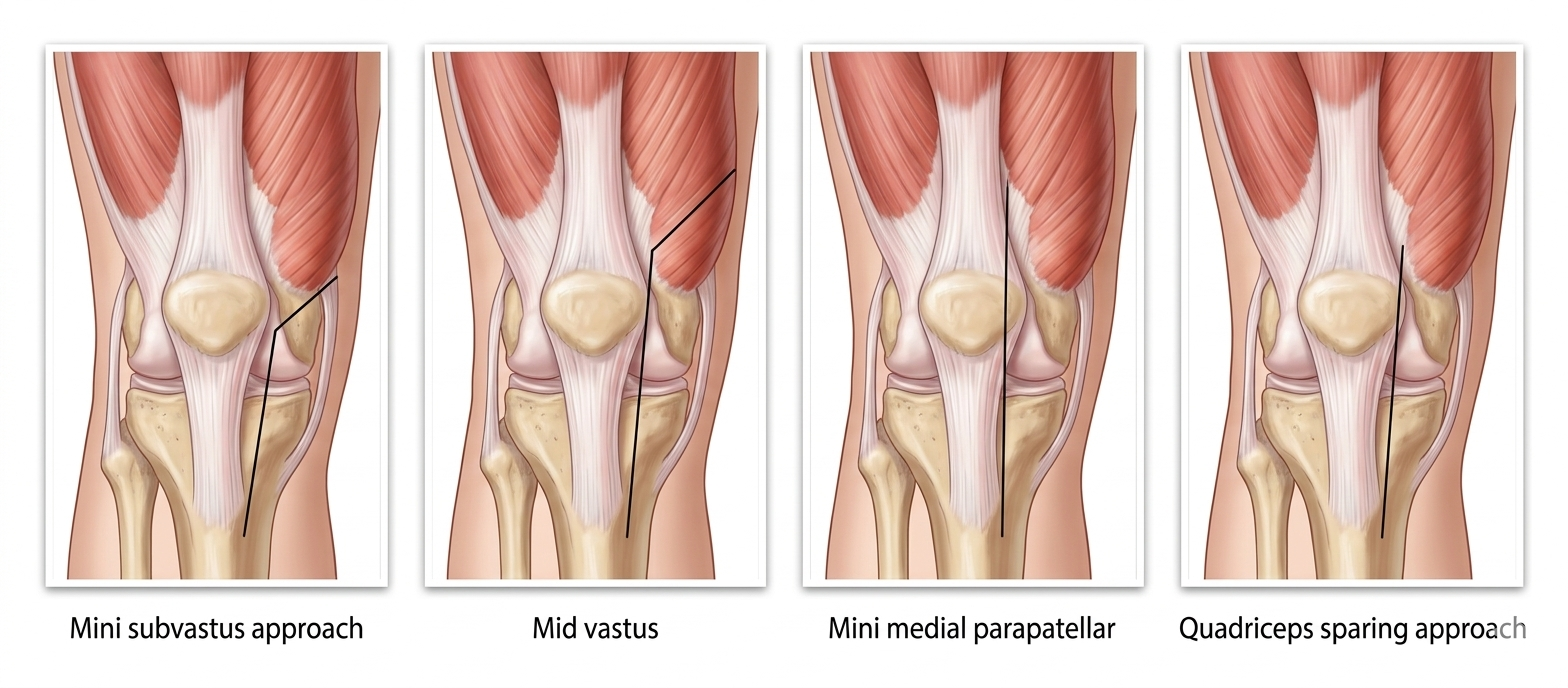
Traditionally the incision used is a midline parapatellar which is 10 to 15 cm in size and splits the quadriceps tendon to expose the knee joint. In minimally invasive technique, the quadriceps tendon is spared either by going under one of the quadriceps muscles (mini subvastus approach) or dissecting the vastus muscle fibers (mid vastus) or tendon-only incisions as shown in the image.
Advantages over the traditional methods
Minimal incision, minimal soft tissue damage, faster recovery, faster rehabilitation, less pain, and less hospital stay.
UNICONDYLAR KNEE ARTHROPLASTY
What is UKA?
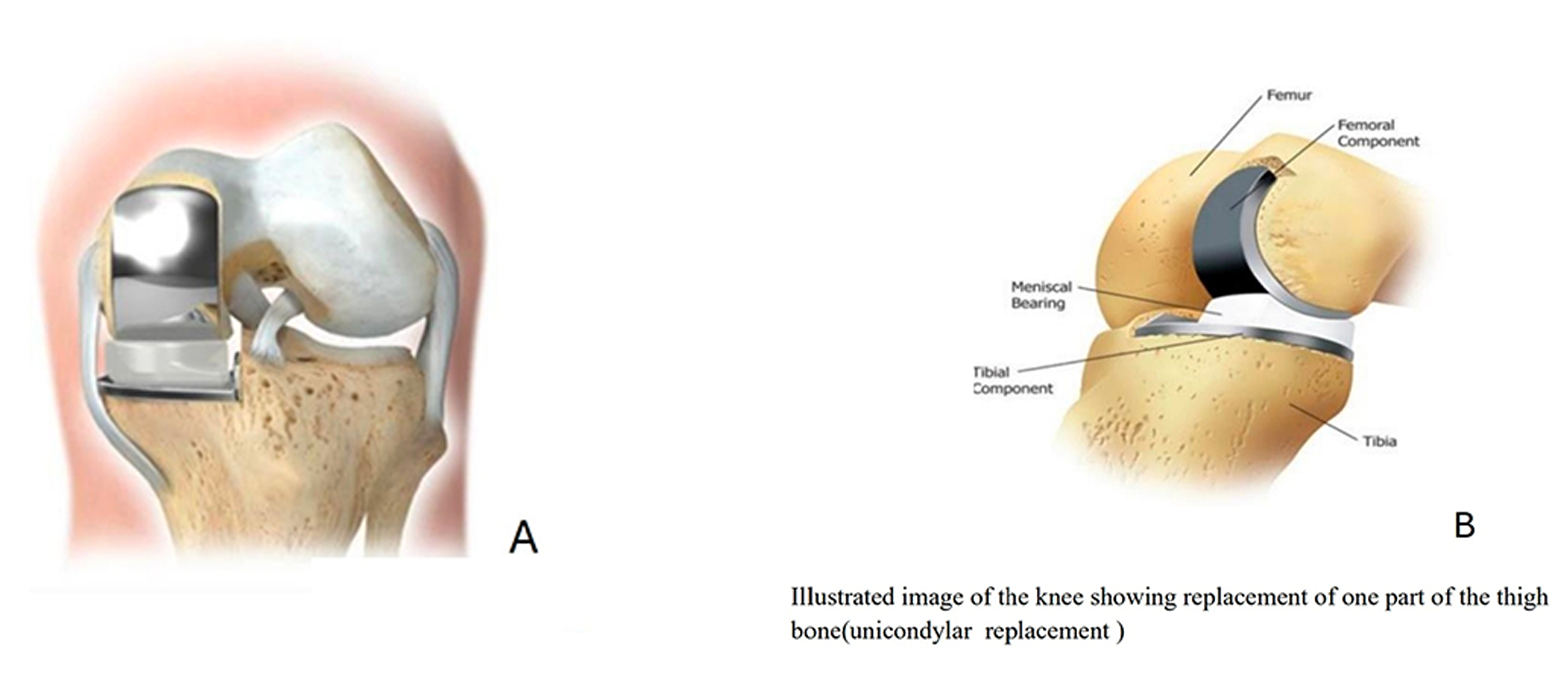
Unicondylar Knee Arthroplasty (UKA) is a type of knee surgery where only one part of the knee joint is replaced. This is usually the inner (medial) or outer (lateral) side. Unlike total knee replacement, the entire joint is not replaced — only the damaged part is treated. This helps reduce pain and improve movement while keeping the healthy parts of the knee untouched.
Why is UKA done?
UKA is done to relieve knee pain caused by arthritis or damage that affects only one side of the knee. It helps improve your ability to walk, stand, and do daily activities with less discomfort. UKA also helps preserve the natural feel and function of the knee and can delay the need for total knee replacement, especially in younger or active patients, as the ligaments are kept untouched.
What is the surgical procedure?
During UKA surgery, the doctor makes a small cut (8- 10cm) on the knee and remove only the damaged part of the bone and cartilage. Then, a small metal and plastic implant is placed into that space. The rest of the knee, including the healthy cartilage and ligaments, is left untouched. This makes the surgery less invasive than total knee replacement.
Are there any risks?
This procedure is less risky than the total knee replacement, apart from common anesthetic risks. The procedure has a very good outcome and durability when compared with the traditional total knee arthroplasty.
REVISION KNEE ARTHROPLASTY
What is revision knee arthroplasty?
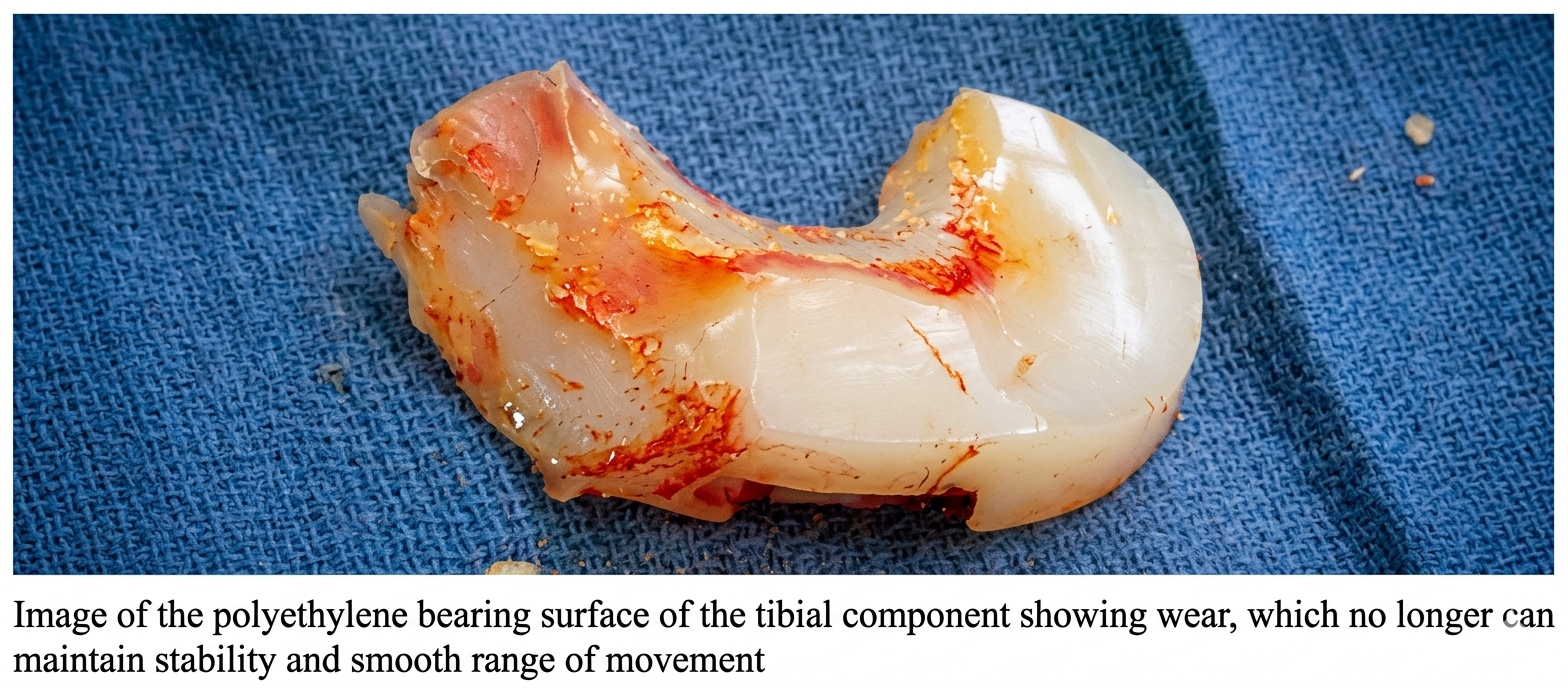
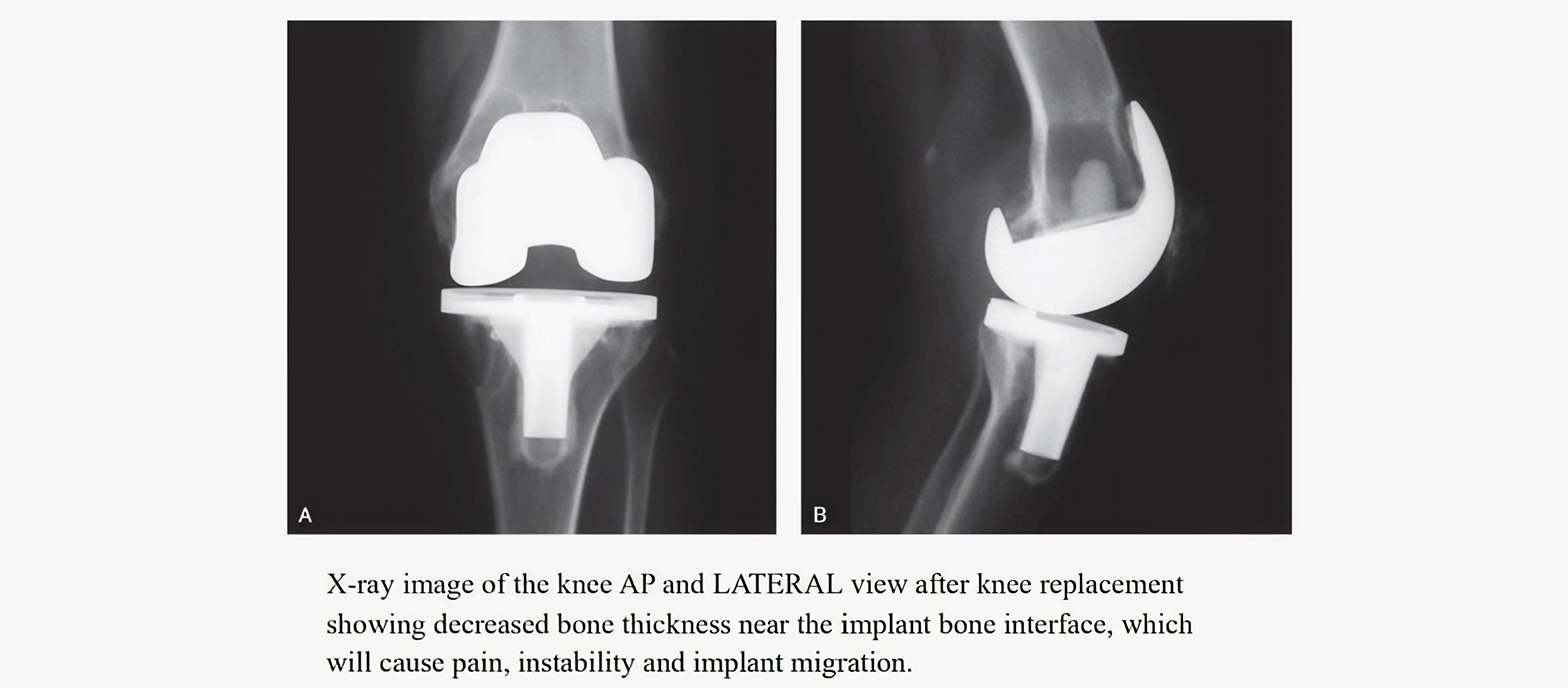
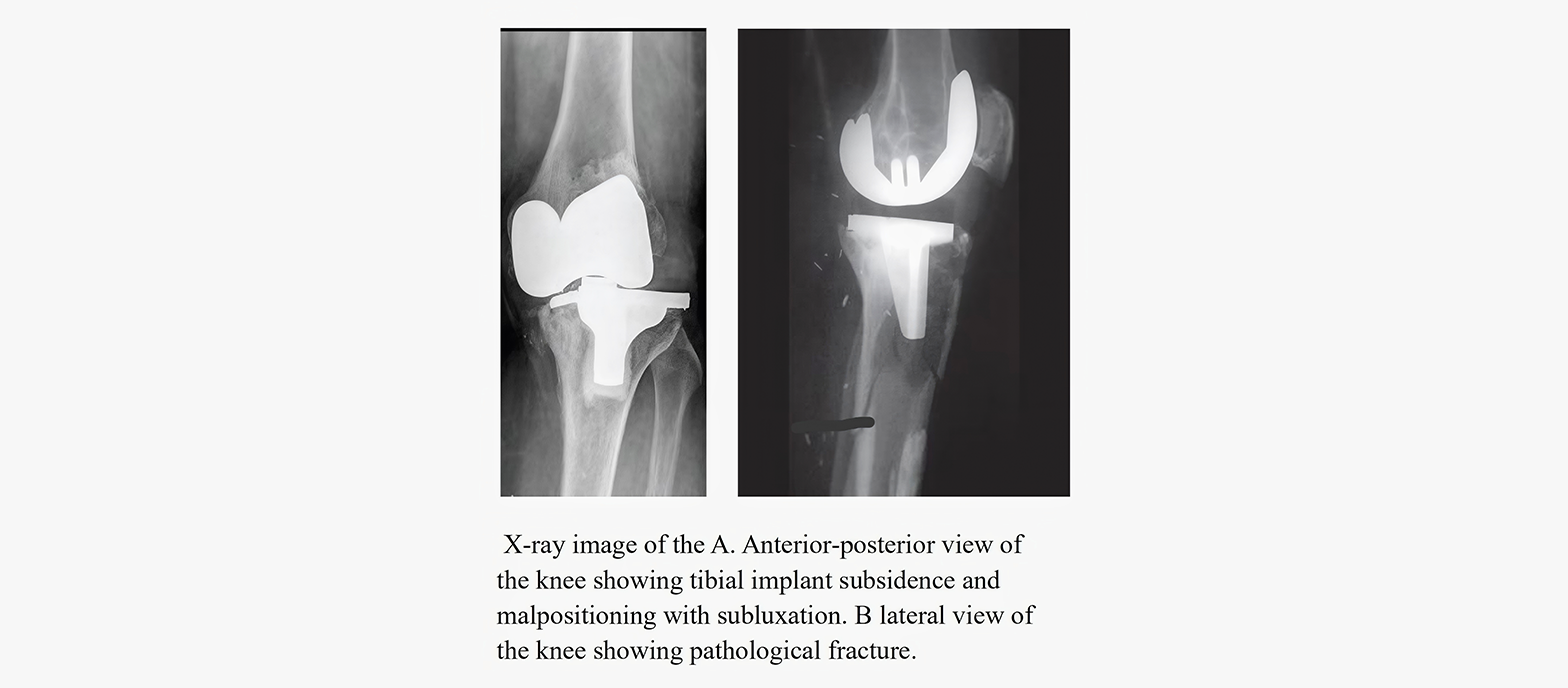
Revision knee arthroplasty is a surgery to fix or replace a knee that had a previous knee replacement but is now causing problems or failed. Sometimes the first knee implant gets loose, wears out, or causes pain. This surgery removes the old implant and puts in a new one to help the knee work better and feel less painful. It is a more difficult surgery than the first one because of changes in the knee from the earlier operation.
Why is revision knee arthroplasty done?
It is done when the first knee replacement causes problems like pain, swelling, loosening of the implant, infection, or when the knee does not work properly. Or when a fracture is sustained near the implant. The surgery fixes these issues by replacing or repairing the old implant.
How is the surgery performed?
In revision knee arthroplasty, the surgeon opens the knee and removes the old implant. They clean or fix any damaged bone or tissue, then put in a new implant. Finally, the knee is closed with stitches. The surgery is usually more complex than the first knee replacement.
How is the surgery performed in cases of infection?
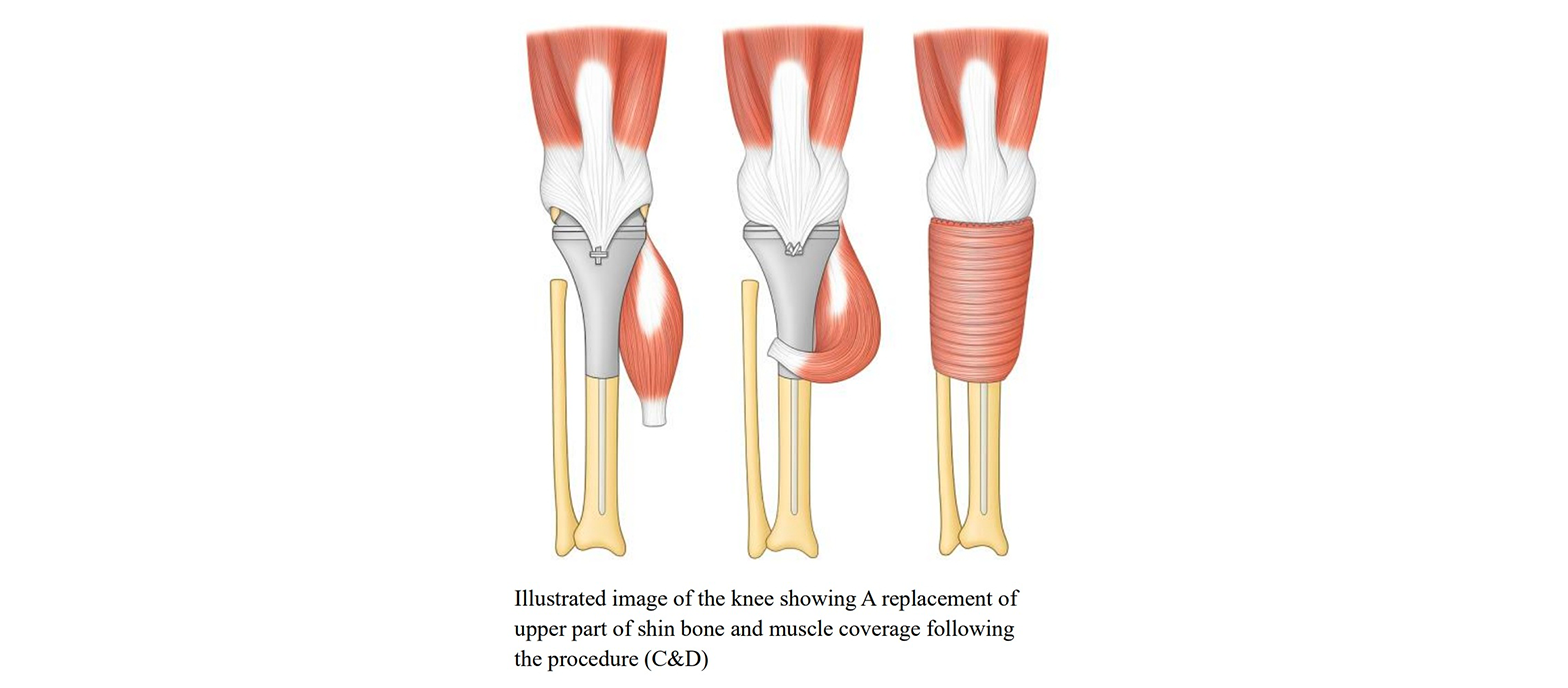
In cases of infection, the old implants are removed and the part which are infected are also removed, which may include skin, tendon, muscle, and bone. Then, for giving antibiotics, tissue samples will be taken for culture. At times, if active infection is present, an antibiotic-loaded cement spacer will be needed until the infection settles. And the revision implants are placed later on a second sitting. Generally, the outcome of infected revision cases will take time to settle and may be associated with stiffness, decreased range of motion and less durability.
How the large bone defects are managed in revision?
In revision knee replacement, large bone defects are managed by either bone grafts or metal augments based on required sizes.
How are the unstable knees managed in revision?
The unstable knees are managed by what is called “constrained” implants, which has a hinge and axle mechanism, and they are inherently stable. They are expensive and less durable.
LIMB SALVAGE PROCEDURE
What is a limb salvage procedure?
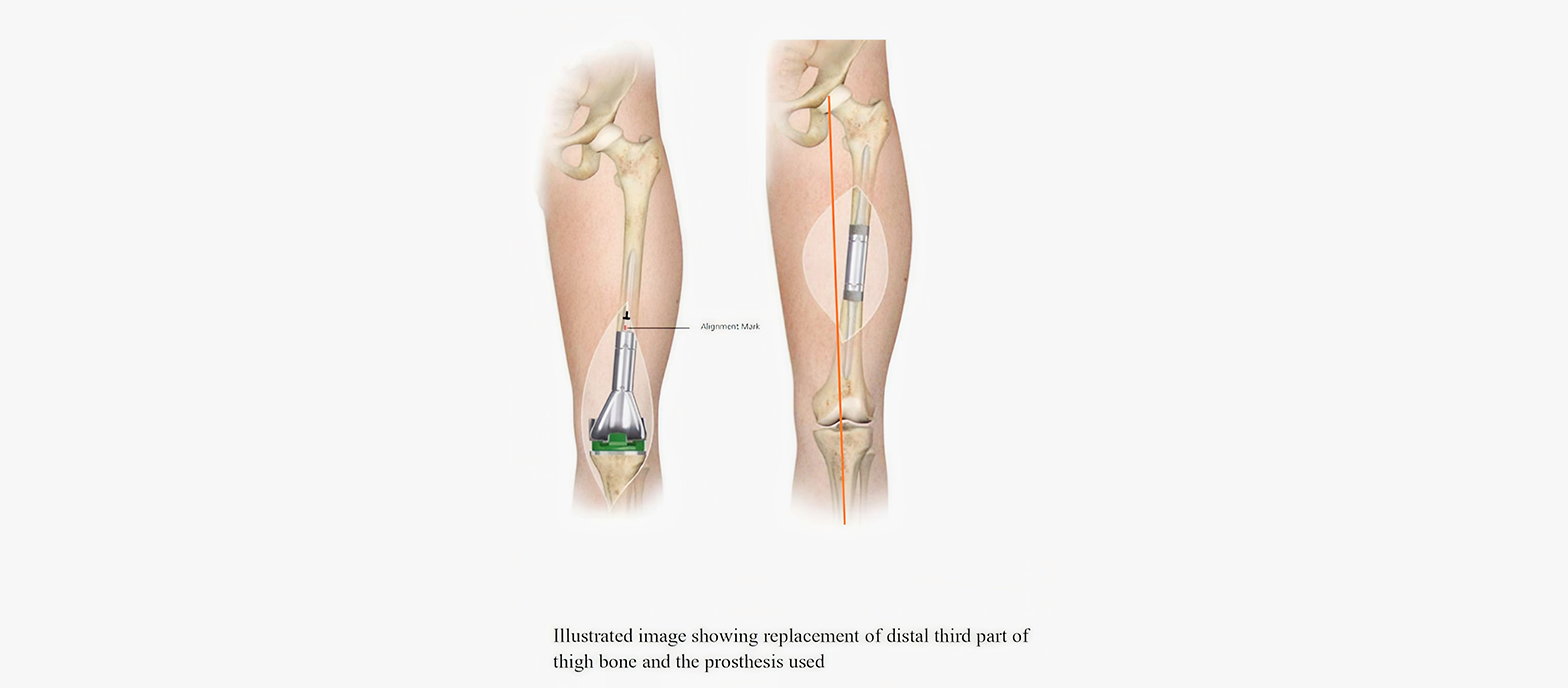
Limb salvage procedure is a surgery done to save a leg or arm instead of removing (amputating) it. It is usually done for people with bone cancer, serious injuries, or infections. The damaged part of the bone or tissue is removed, and then replaced with metal implants, bone grafts, or other materials. The goal is to keep the limb working as normally as possible and avoid amputation.
What is the surgical procedure in limb salvage?
In a limb salvage surgery, the surgeon first removes the diseased or damaged part of the bone, muscle, or tissue. This may be due to cancer, injury, or infection. Once the unhealthy part is removed, the missing section is replaced with a metal implant, bone graft, or combination of both. The goal is to rebuild the limb so it can still function. After that, the area is closed with stitches, and recovery begins.
How will be the recovery and outcome?
Recovery is based on the nature of the underlying disease and its severity. The procedure is done palliatively to restore mobility without pain. The doctor will explain to you in detail about the condition and the treatment plan, which is individualized and specific with a purpose.
Advantages & disadvantages of limb salvage?
Advantages: The major benefit is preservation of the limb with maximum function possible, which gives physical and emotional support by avoiding amputation. Disadvantages: it is less durable and provides only limited mobility.