

Sports Injury And Joint Preservation Clinic

Ligamentous Procedures

Acl Reconstruction / Acl Repair

The anterior cruciate ligament (ACL) is one of the major ligaments in the knee, responsible for stabilizing the joint during movement. ACL injuries, often caused by sudden twisting motions or direct impact, are common among athletes and active individuals. When the ACL is torn, it can lead to knee instability, pain, and difficulty in performing daily activities. There are two primary treatment options: ACL reconstruction and ACL repair.

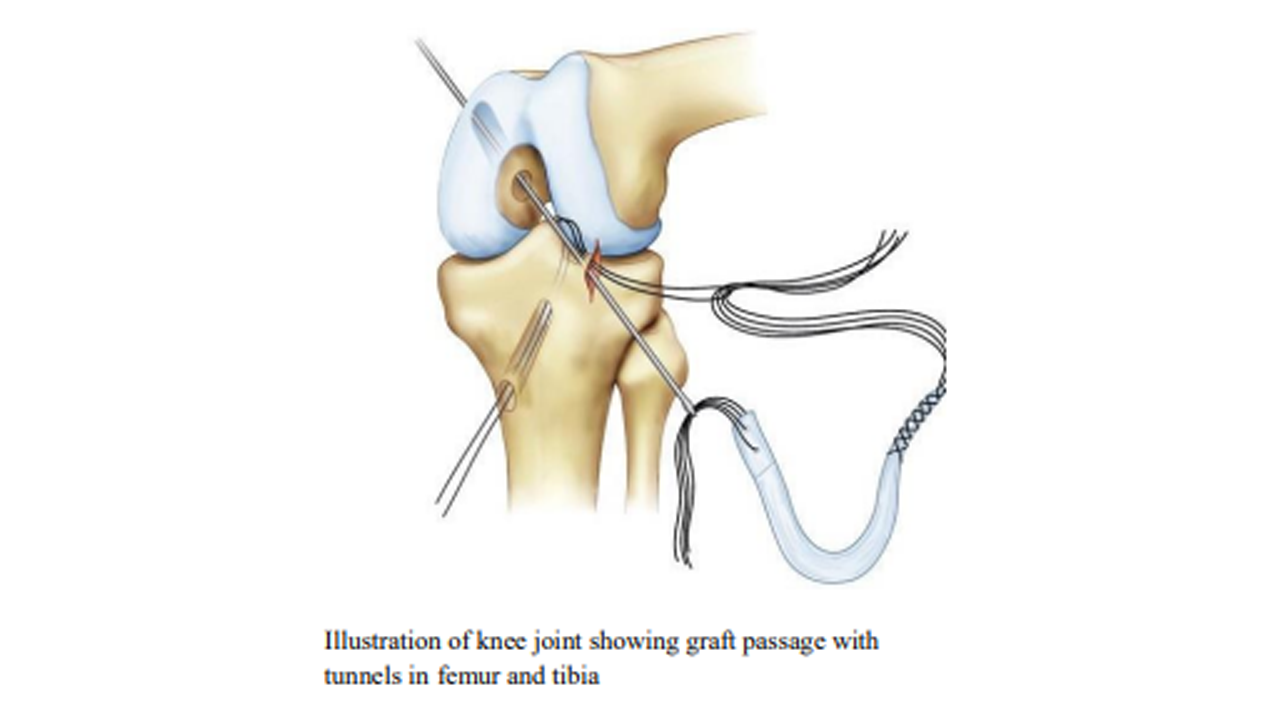
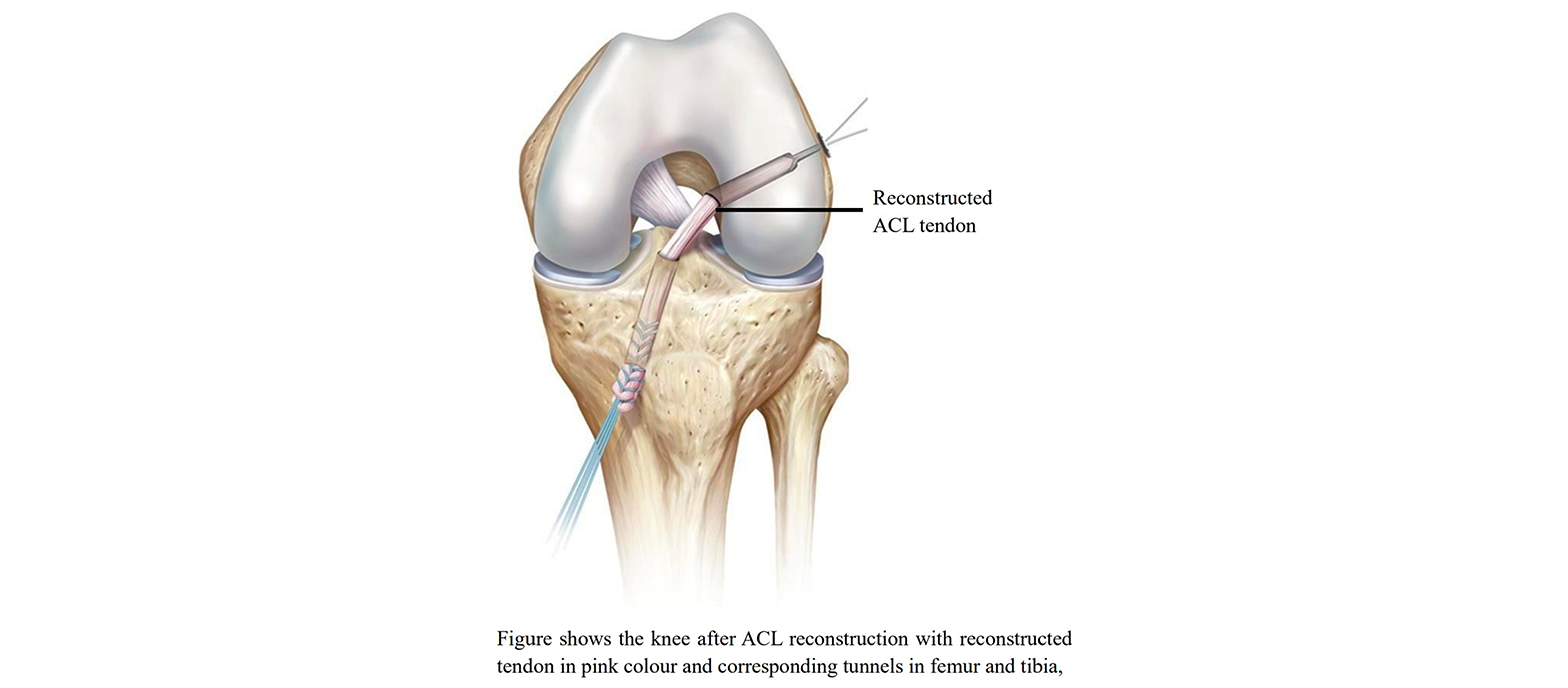
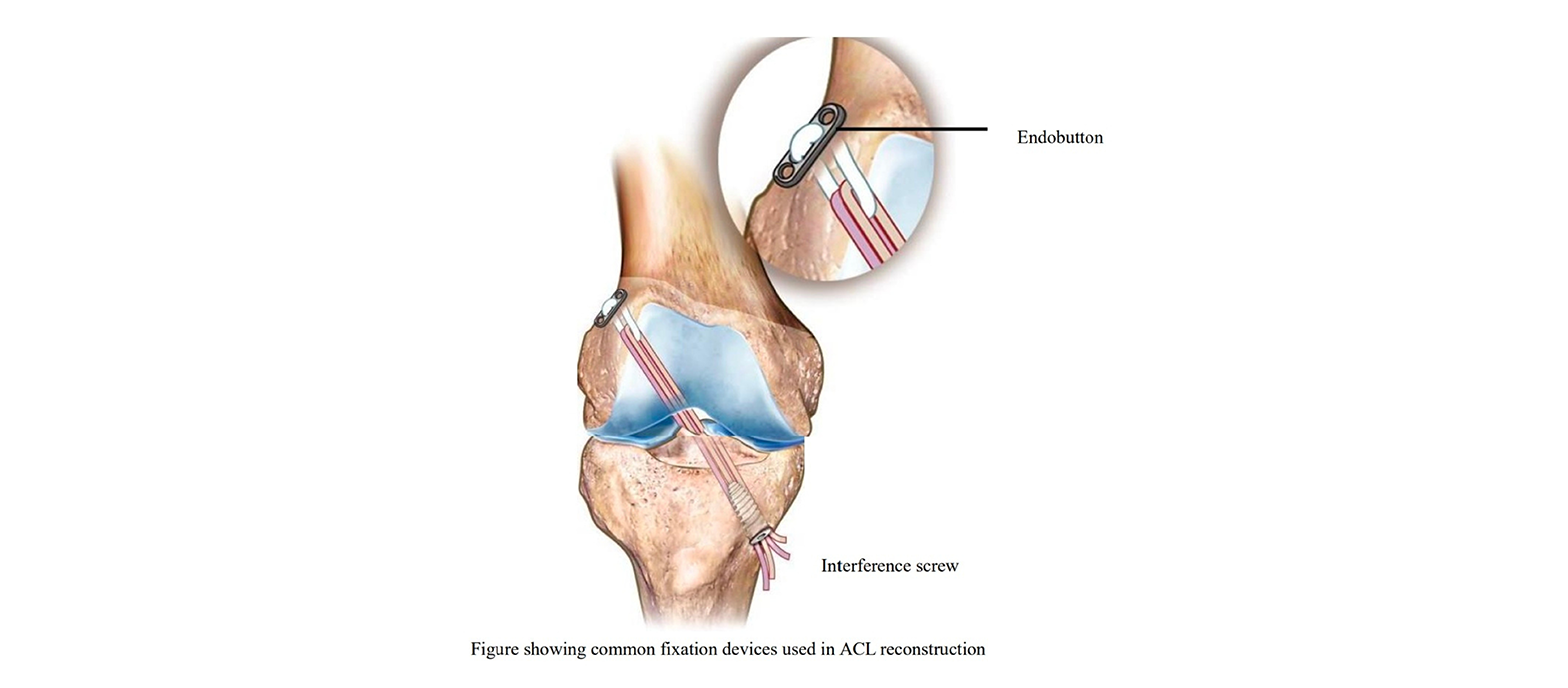
ACL reconstruction is the most commonly performed procedure for a torn ACL. It involves replacing the damaged ligament with a graft, usually taken from the patient’s own hamstring, patellar tendon, or quadriceps tendon. The surgery is done arthroscopically, which means small incisions are made, and a camera is used to guide the procedure. The damaged ligament is removed, and the graft is placed in its position, secured with screws or other fixation devices. Over time, the body integrates the graft as a new, functional ligament.

ACL repair, on the other hand, is a relatively newer approach and is only possible in specific cases where the ligament has detached from the bone rather than being completely torn in the middle. Instead of replacing the ligament, the surgeon reattaches it to the bone using sutures, preserving the natural ACL. This technique is most effective in young patients and cases where the ligament is still in good condition. ACL repair has gained attention because it allows for a quicker recovery and retains the original ligament structure.

The recovery process after ACL surgery varies based on the type of procedure performed. Typically, ACL reconstruction requires a longer rehabilitation period, often around six to nine months before an individual can return to high-impact sports. Physical therapy begins soon after surgery, focusing on restoring knee strength, flexibility, and stability. Patients progress through phases, starting with gentle range-of-motion exercises and gradually moving to strength training and sport-specific drills.
ACL RECONSTRUCTION

Acl Reconstruction

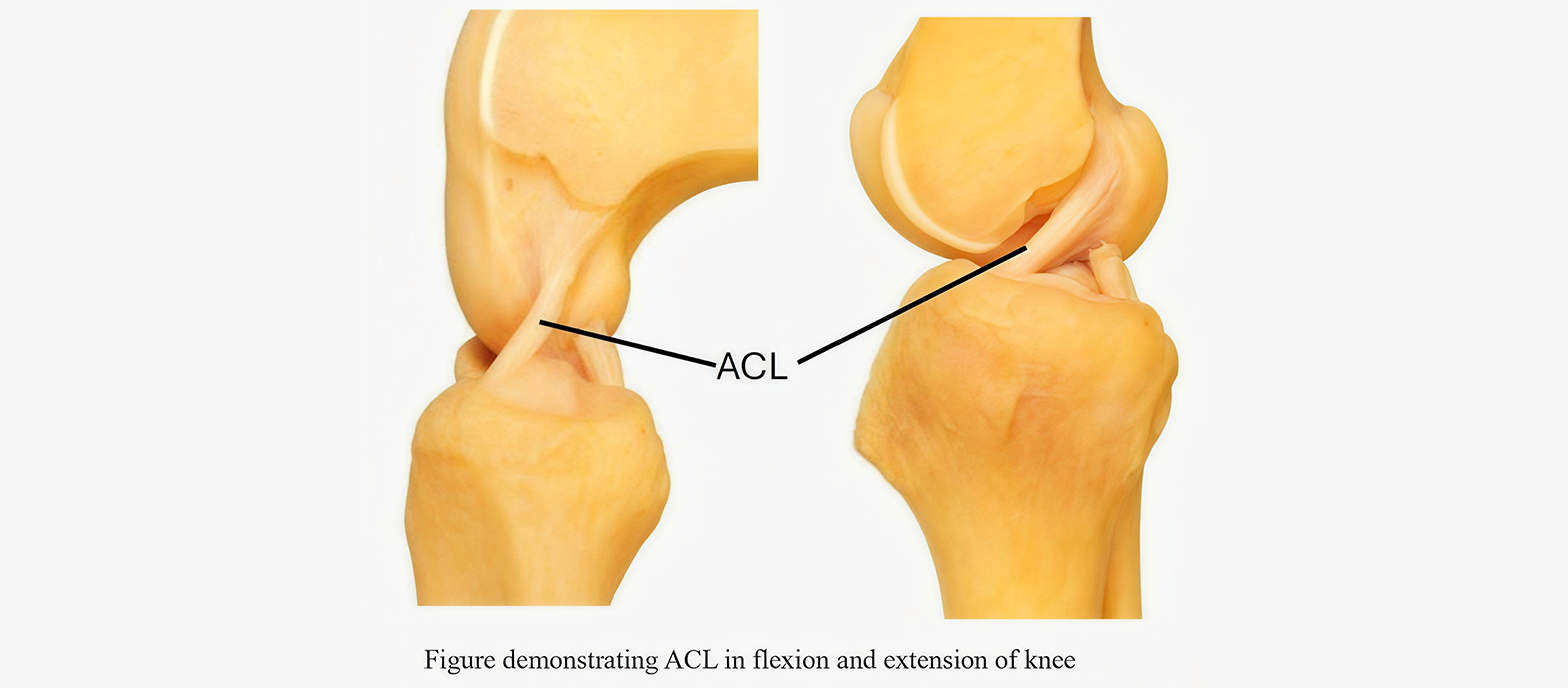
The ACL (Anterior Cruciate Ligament) is a strong band of tissue inside the knee. It connects the thigh bone (femur) to the shin bone (tibia). Its main job isto keep your knee stable during movement, especially when twisting or turning

How does the injury occur?

ACL injuries usually happen during sports or any physical activity, especially when you stop or twist suddenly while running or landing from a jump. A direct blow to the knee during contact sports can also result in ACL injury

What are the symptoms?

A feeling of “giving way” or “collapsing” of the knee while walking or running or climbing stairs.
• Swelling in the knee, usually within a few hours.
• Pain may or may not be present.
• Sometimes, a popping sound is heard during injury

How it is diagnosed?

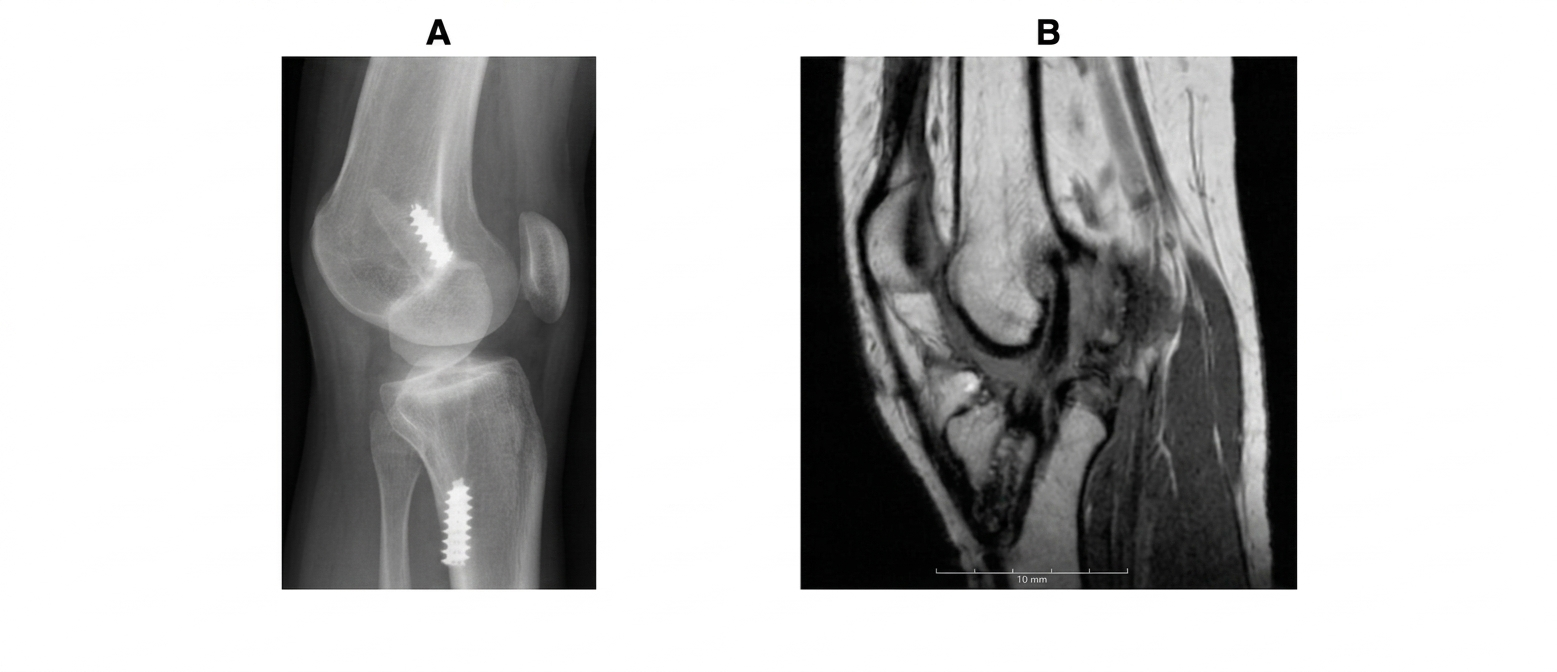
The doctor will ask about your symptoms and how the injury happened. They will conduct special tests on your knee and may use X-rays, MRI scans, or a small camera test called arthroscopy to determine whether your ACL is injured.

What are the treatment options?

If your knee is still stable, the doctor may suggest nonsurgical treatment like physiotherapy and exercises to make the muscles stronger. If your knee feels loose or unstable, or if you’re an athlete or very active, the doctor will likely suggest surgery.

What is the surgical procedure?

In surgery, the torn ACL is replaced with a new one using a graft (a piece of tissue). The graft may be harvested either from your own body or from a donor (allograft). This helps to keep the knee stable and prevents future injuries. After surgery , you’ll follow a recovery program to regain strength and flexibility . (Dr.sudhan’s rehabilitation guidelines are given in the rehab section)

Is there any risk associated with surgery?

No specific risk is associated with ACL reconstruction. It involves rare risks associated with any surgery like anaethetic risks and infection. In general ACL reconstruction is considered very safe procedure.


PCL RECONSTRUCTION

What is PCL reconstruction?

The PCL (Posterior Cruciate Ligament) is another important ligament in the knee. It connects the thigh bone (femur) to the shin bone (tibia) but runs behind the ACL. Its main work is to stop the shin bone from moving too far backward under the thigh bone.

How does the injury occur?

• A strong blow to the front of the knee (like hitting the dashboard in a car accident)
• Falling hard on a bent knee
• Sudden twisting or hyperextension

What are the symptoms?

• Pain at the back of the knee
• Swelling usually within few hours
• Feeling of instability or weakness
• Difficulty walking or bearing weight on the knee

How it is diagnosed?

PCL injury is diagnosed by a doctor through a physical exam, checking knee movement and stability by special tests. It is confirmed using X-ray and MRI.

What are the treatment options?

Mild injuries: Rest, ice, compression, elevation (RICE), and physiotherapy
Moderate to severe injuries: depends upon the symptoms and the level of instability assessed by your doctor by special clinical tests.
Severe or complete tears:  Might need surgery to repair or reconstruct the ligament

What is the surgical procedure?

PCL reconstruction surgery uses a tendon graft to replace the damaged ligament. The surgeon may take tissue from your own body (like the hamstring tendon) or from a donor (allograft). After surgery, you’ll follow a recovery program to regain strength and flexibility (Dr. Sudhan’s rehabilitation guidelines are given in the rehab section.)

Is there any risk associated with the surgery?

No specific risk is associated with PCL reconstruction. It involves rare risks associated with any surgery like anaethetic risks and infection. In general, PCL reconstruction is considered a very safe procedure.


REVISION OF ACL/PCL RECONSTRUCTION

What is the revision of PCL/ACL reconstruction?

Sometimes, the first surgery performed to repair a torn ACL or PCL may not heal properly, or the ligament may tear again due to various reasons. Revision surgery involves redoing the ligament reconstruction to restore knee stability and function

Why is revision surgery needed?

• The ligament re-tears due to another injury
• The graft used in the first surgery fails
• You continue to have pain or instability even after
full recovery
• There was an infection or poor healing after the
first operation

What are the symptoms?

• Knee feels unstable
• Repeated “giving way” sensation even after
surgery and rehabilitation.
• Swelling, pain, or stiffness occasionally or during
physical activity.
• Difficulty walking or playing sports

How is it diagnosed?

The doctor will take a detailed medical history including your symptoms and how the injury happened. They will conduct special tests on your knee and may use X-rays, MRI scans, or a small keyhole camera test called diagnostic arthroscopy to analyze graft failure, bone tunnel issues, or other damages or abnormalities.

What happens in the revision surgery?

The old graft is removed. The surgeon may use:
• A new graft from another part of your body
(hamstring or patellar or peroneus tendon)
• A donor graft (allograft)
Your doctor may do this in a single stage or 2 stage based on the quality & tunnel size of the bone.

Is there any risk associated with the surgery?

No specific risk is associated with revision ACL/PCL reconstruction. It involves rare risks associated with any surgery like anaethetic risks and infection. In general ACL reconstruction is considered a very safe procedure.


COLLATERAL LIGAMENT RECONSTRUCTION / REPAIR

What is collateral ligament repair?

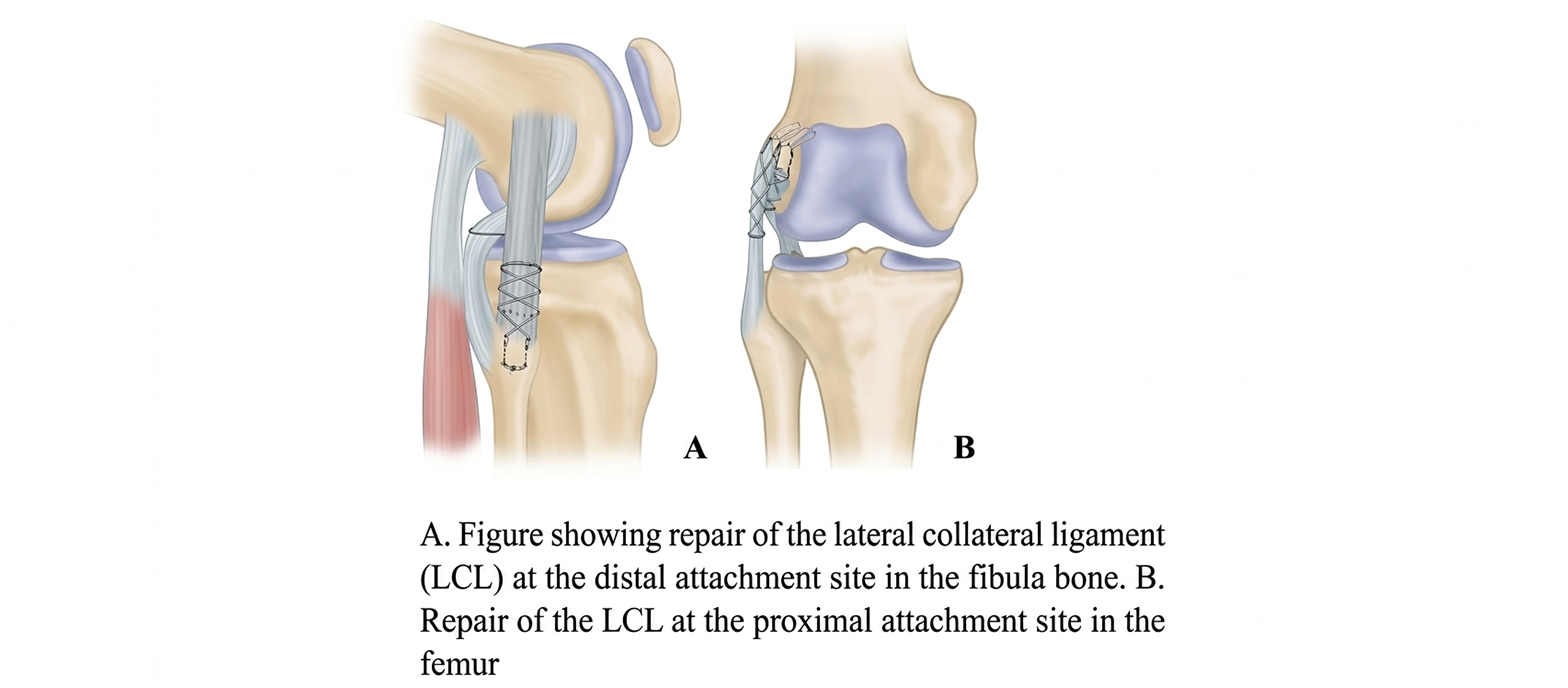
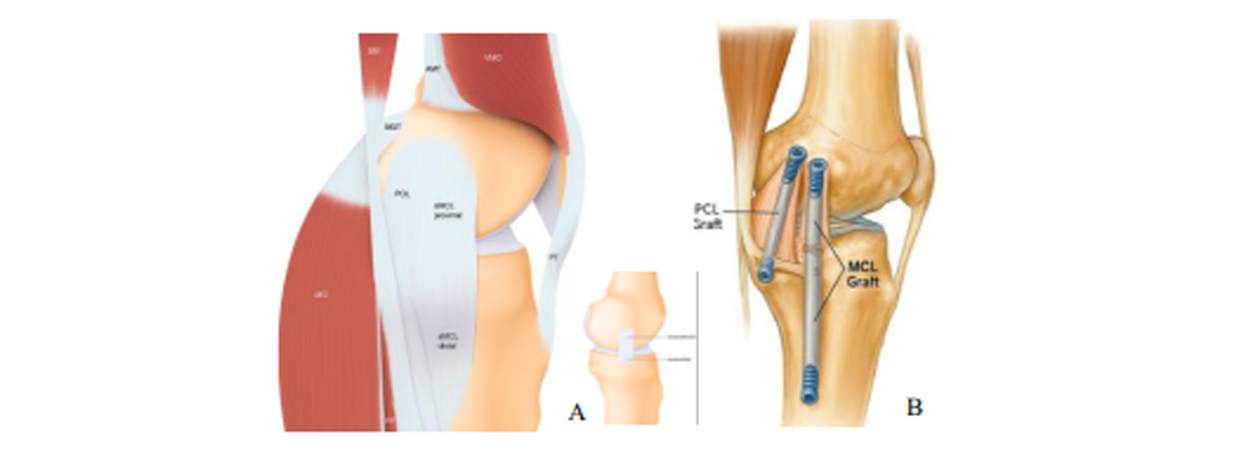
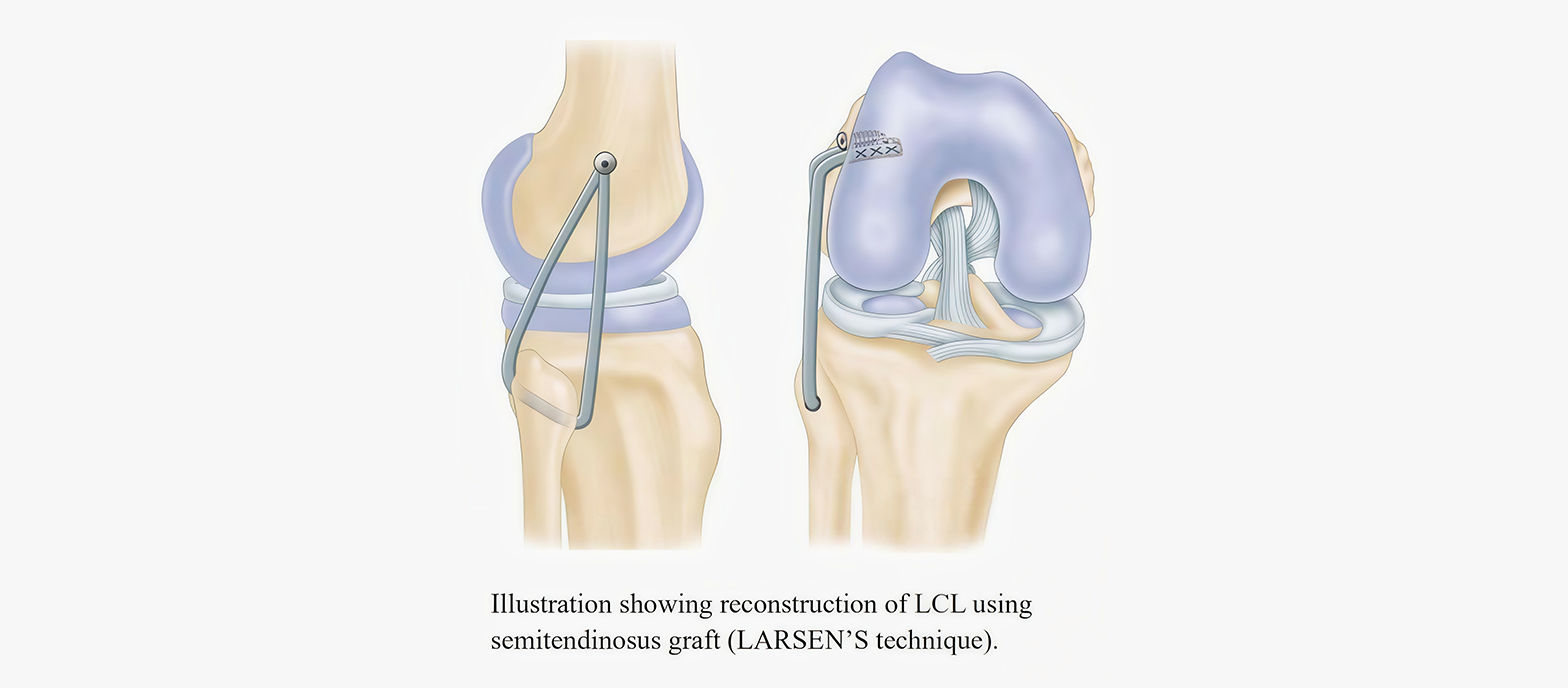
The knee has two important ligaments on the sides: the MCL (Medial Collateral Ligament) – inner side of the knee (Lateral Collateral Ligament) – outer side of the knee. These ligaments help keep your knee stable during sideways movements.

How does the injury occur?

Collateral ligament injuries can happen due to: A strong hit to the side of the knee, sudden side movements while playing sports falling unsteadily on your leg.

What are the symptoms?

Pain on the inside (MCL) or outside (LCL) of the knee. Swelling and tenderness knee feels loose or unstable, trouble walking or bending the knee.

How is it diagnosed?

The doctor will: ask about how you got injured. Examine your knee’s strength and movement and conduct special clinical tests and suggest an MRI or X-ray to check for ligament damage.

What are the treatment options?

Mild injuries can be treated with rest, ice packs, compression bandage, elevating the leg, and physiotherapy. Severe injuries may need surgery or replace the injured ligament.

Are there any risks associated with the surgery?

No specific risk is associated with revision ACL/PCL reconstruction. It involves rare risks associated with any surgery like anesthetic risks and infection. In general ACL reconstruction is considered a very safe procedure.


MULTIPLE LIGAMENT INJURIES & THEIR MANAGEMENT

What is multiple ligament injuries?

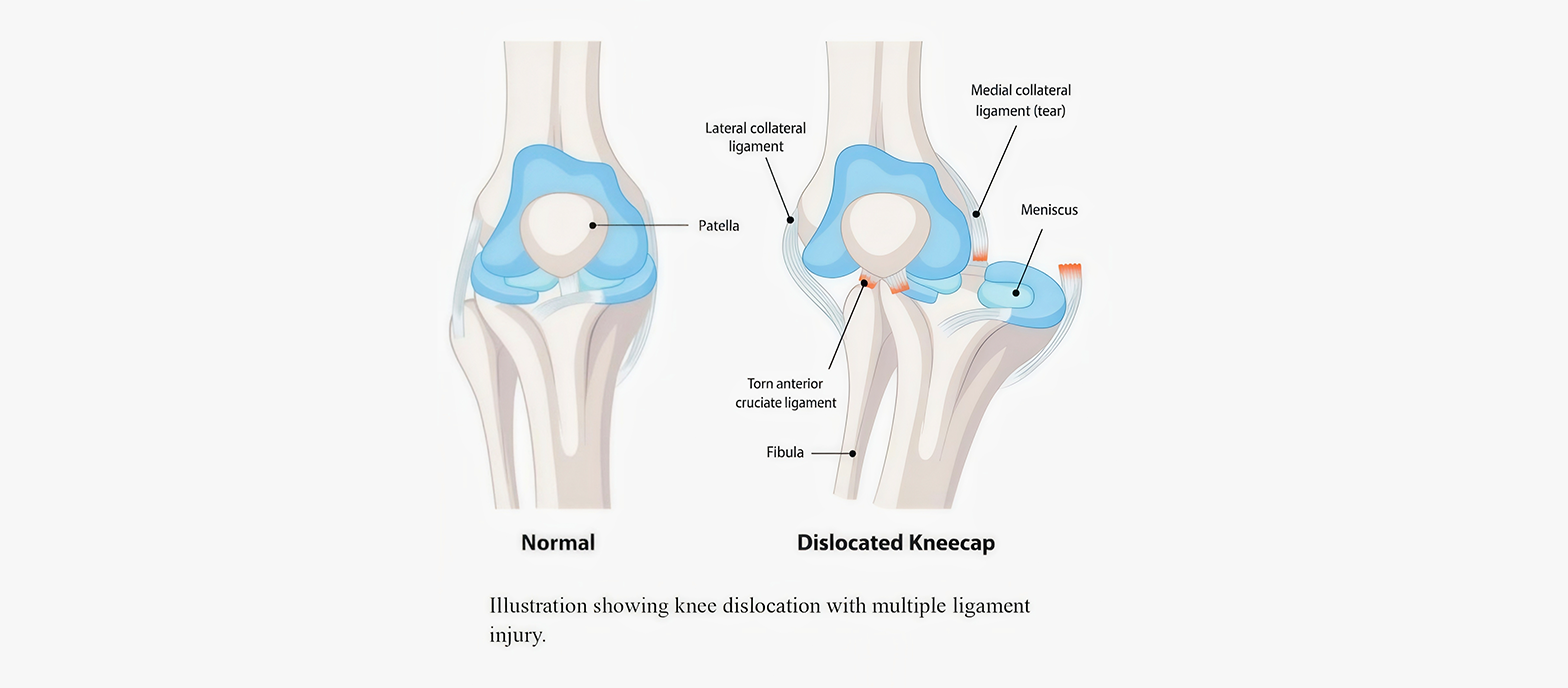
Sometimes, more than one ligament in the knee gets injured at the same time. This is called a multiple ligament injury.

How do these injuries occur?

This often occurs from:
• Major accidents like a car or bike crash
• May not be able to stand or walk
• A hard hit during contact sports
• Twisting the knee with full body weight
• Falling from a height

What are the symptoms?

• Severe pain in the knee
• Swelling on the knee
• The knee may feel completely unstable or loose
• May not be able to stand or walk

How it is diagnosed?

The doctor will ask how the injury happened. They will check how well your knee moves and how stable it is. An X-ray may be taken to look for any bone damage and to plan the treatment

What are the treatment options?

Treatment usually varies, depending upon the number of ligaments injured and the presence of associated injuries (Involvement of fracture, vessel injury or nerve injury, capsular injury, Meniscal injury). The treatment can be either single stage or 2 staged based on the injuries sustained. Mostly, these require surgery

What is done in the surgery?

The injured ligaments are either stitched back or replaced using a graft. The graft is fixed in place using screws or anchors. Some ligaments are reconstructed by an open approach, and some by keyhole surgeries. You may need to wear a brace after surgery.

Are there any risks associated with the surgery?

No specific risk is associated with multiple ligament reconstruction. Moreover , it involves common risks associated with any surgery like anaethetic risks snd infection. In general ligament reconstruction is considered a safe procedure yet many times it may involve stiffness and decrease movements or recurrent instability.


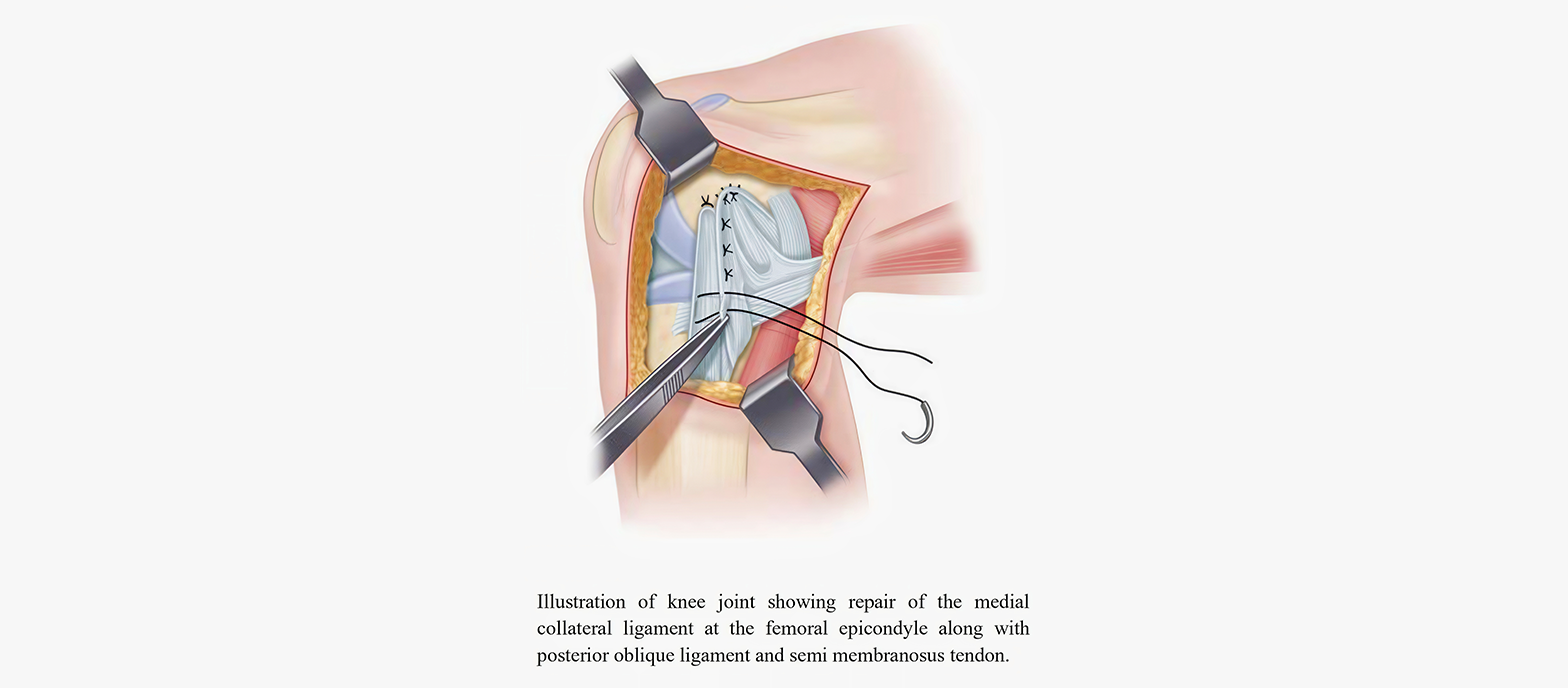
POSTEROMEDIAL CORNER RECONSTRUCTION

POSTEROMEDIAL CORNER RECONSTRUCTION

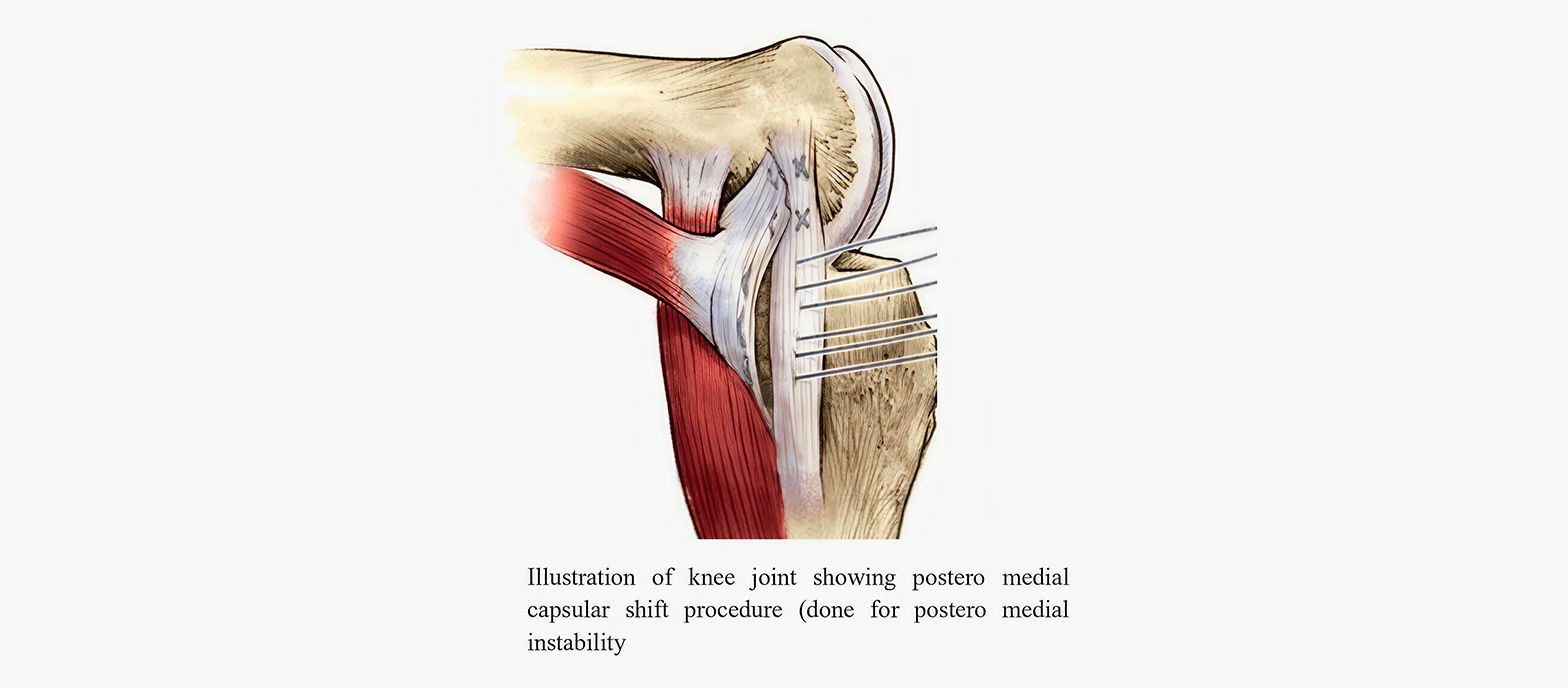
It is the area which corresponds to the inner back part ofyour knee. It helps keep your knee stable, especially on movements od sports and daily living.

What is posteromedial corner reconstruction?

It is the area which corresponds to the inner back part of your knee. It helps keep your knee stable, especially on movements od sports and daily living.

How does this area get injured?

• Falling
• A twist in the knee
• Road accidents or sports injuries

Does it occur as an isolated injury?

No, it often happens along with other ligament injuries like PCL or MCL tears.

What are the common symptoms?

May feel pain and swelling on the inside and back of the knee, and also you may feel weak, loose, or unstable when walking or turning.

What are the treatment options?

It depends upon the type of injury, if the injury is mild, rest, a knee brace, and physiotherapy are recommended. If multiple structures are involved, surgery may be necessary.

What are the surgical procedures?

In surgery, the doctor will repair or reconstruct the injured tissues. Attach the new tissue using screws or stitches.

Is there any risk associated with the surgery?

No specific risks associated with posteromedial corner reconstruction. It involves rare risks associated with any surgery like anaethetic risks and infection . in general posterior corner reconstruction is considered a very safe procedure.


POSTEROLATERAL CORNER

What is the posterolateral corner (PLC) of the knee?

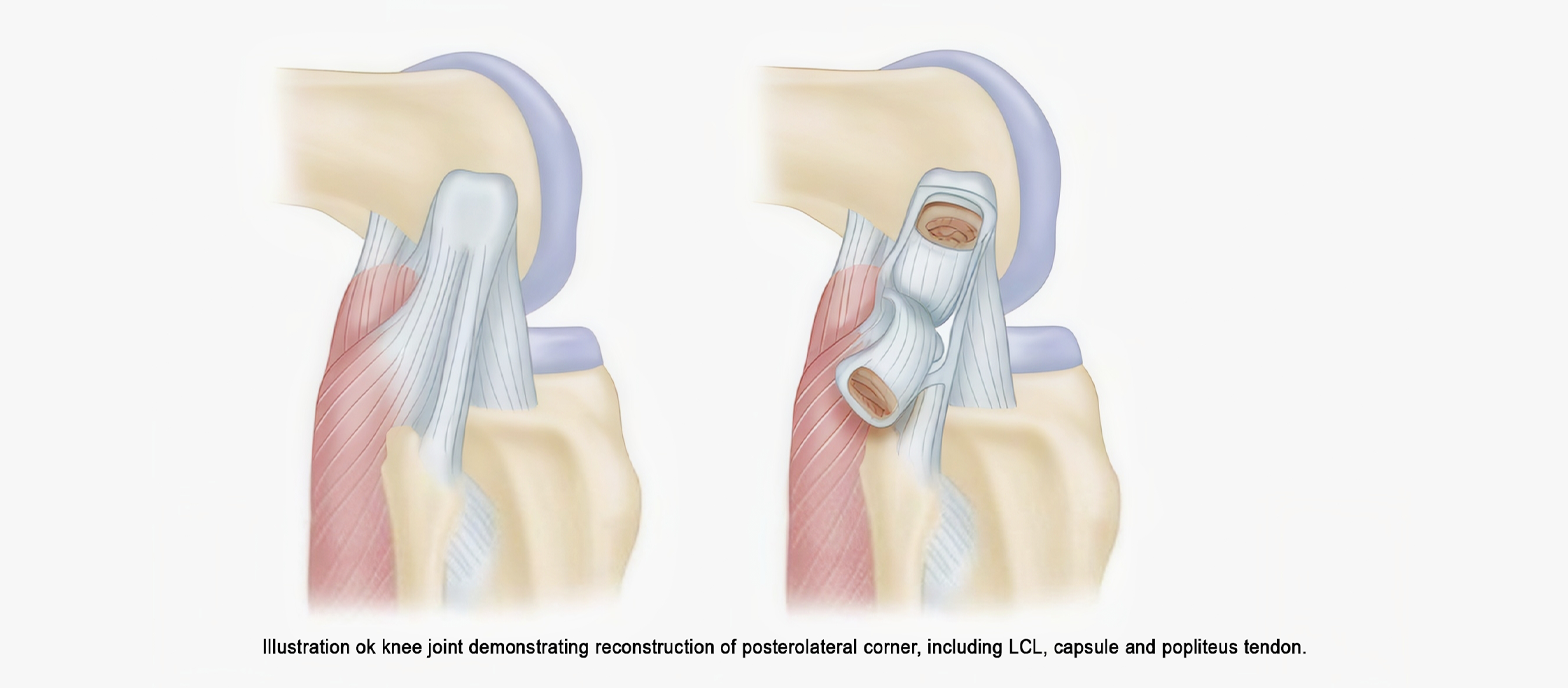
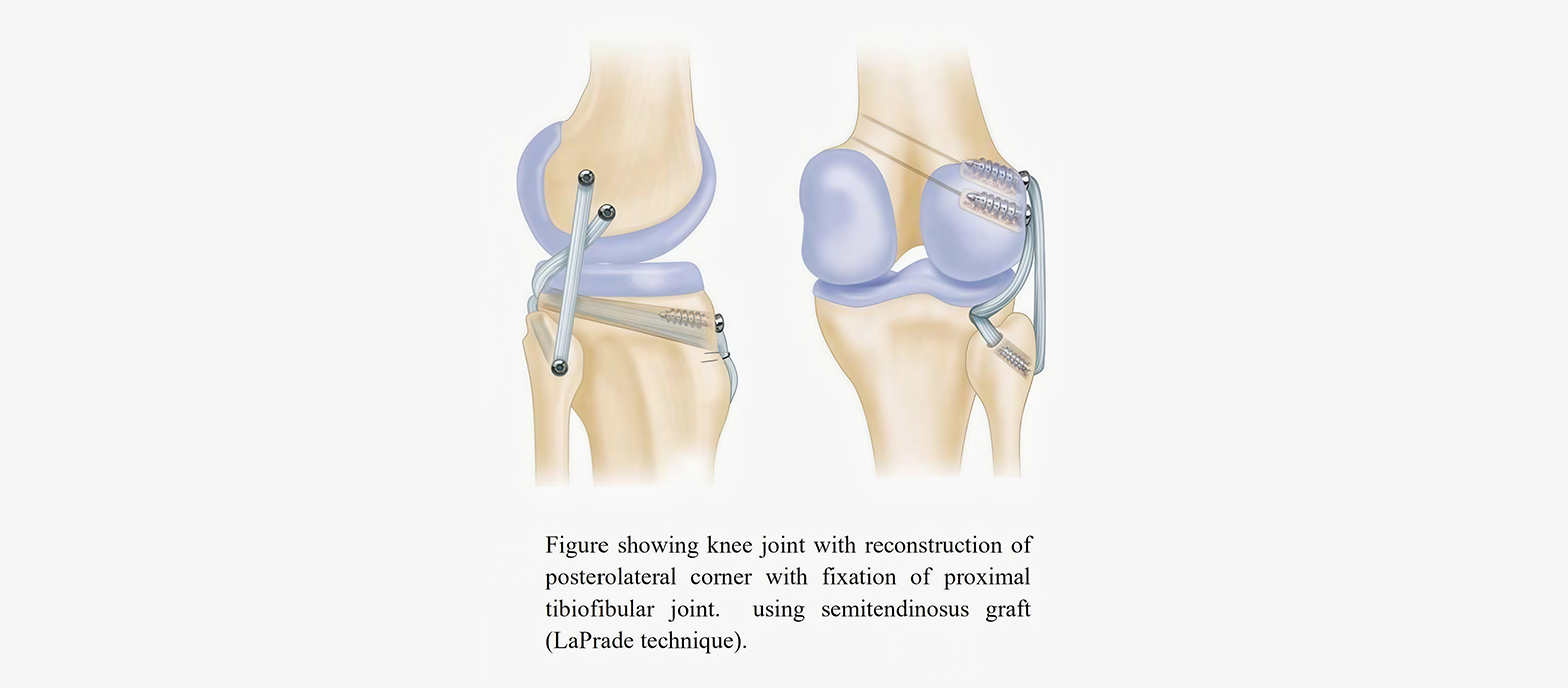
The posterolateral corner (PLC) of the knee is a group of ligaments, tendons, and muscles located at the back and outer side of the knee. It helps to stabilize the knee against twisting, hyperextension, and side-to-side forces, especially when changing direction during sports or walking.

What causes a PLC injury?

PLC injuries often occur due to sports trauma, road traffic accidents, or falls, especially when the knee is hit from the front or inside while the leg is planted. It can also happen during knee dislocations or in combination with ACL or PCL injuries.

What are the symptoms of a PLC injury?

Common symptoms include pain on the outer side of the knee, instability, and difficulty while turning, pivoting, or walking on uneven ground. Some people feel like their knee gives way or feels loose, especially during quick movements.

How is a PLC injury diagnosed?

Diagnosis involves a detailed clinical examination, specific stability tests, and MRI scans to assess the injured structures. PLC injuries are often missed or underdiagnosed, so accurate imaging and specialist evaluation are important.

What is the treatment for PLC injuries?

Mild PLC injuries (grade 1 or 2) may be managed with bracing, rest, and physiotherapy. However, complete or combined injuries (grade 3) often require surgical reconstruction to restore knee stability and prevent long-term problems.

What is PLC reconstruction?

Surgical PLC reconstruction involves rebuilding the damaged ligaments using tissue grafts, either from the patient or a donor. The aim is to restore normal alignment and control to the outer and back part of the knee. It is often done together with ACL or PCL reconstruction, if needed.

Are there any risks?

No specific risk is associated with PLC. It involves rare risks associated with any surgery like anaethetic risks and infection. In general PLC is considered a very safe procedure.


QUADRICEPS TENDON GRAFT

What is quadriceps tendon graft?

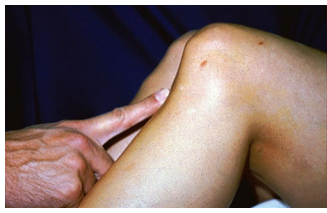
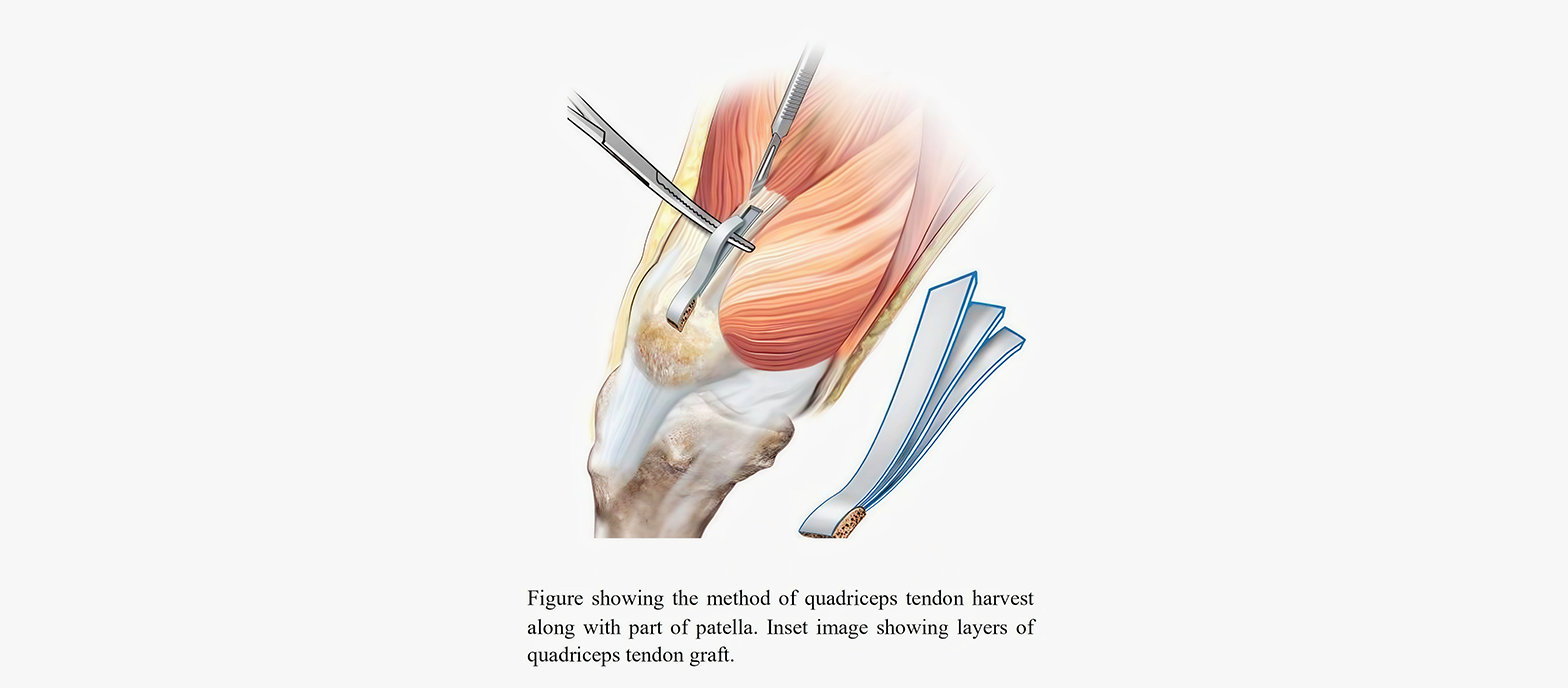
A quadriceps tendon graft is a small piece of tissue (tendon) taken from your thigh muscle (quadriceps), just above the knee cap. This tendon connects your thigh muscle to your kneecap. Doctors use this tendon to replace a damaged ligament in the knee, such as the ACL or PCL.

Why is it used?

Doctors use this graft if your knee needs a large and more strong graft after a ligament injury. This graft has 20% more collagen than other graft, which makes it more stronger. It helps to give stability to the knee so you can walk, run, and do normal activities safely.

How is the graft taken?

The surgeon makes a small cut above your kneecap and takes a strip of the quadriceps tendon. Sometimes, a small piece of bone is also taken with it. This graft is then used to replace the torn ligament in your knee.

What happens during surgery?

The tendon graft is shaped and placed inside your knee to replace the torn ligament. It is fixed using screws or buttons. Over time, this tendon becomes part of your knee and helps it work normally again.

What are the benefits?

This graft is strong and thick, which makes it a good choice for people who are very active. In some cases, it may cause less pain in the front of the knee compared to other types of grafts.

Are there any risks?

No specific risk is associated with quadriceps tendon grafting and it is a safe procedure. The front of your knee will have an incision scar which may be variable from 2.5cm to 5 cm in length.


Doctor
Book Your Appointment Now
Contact Us