PRP
What is PRP?
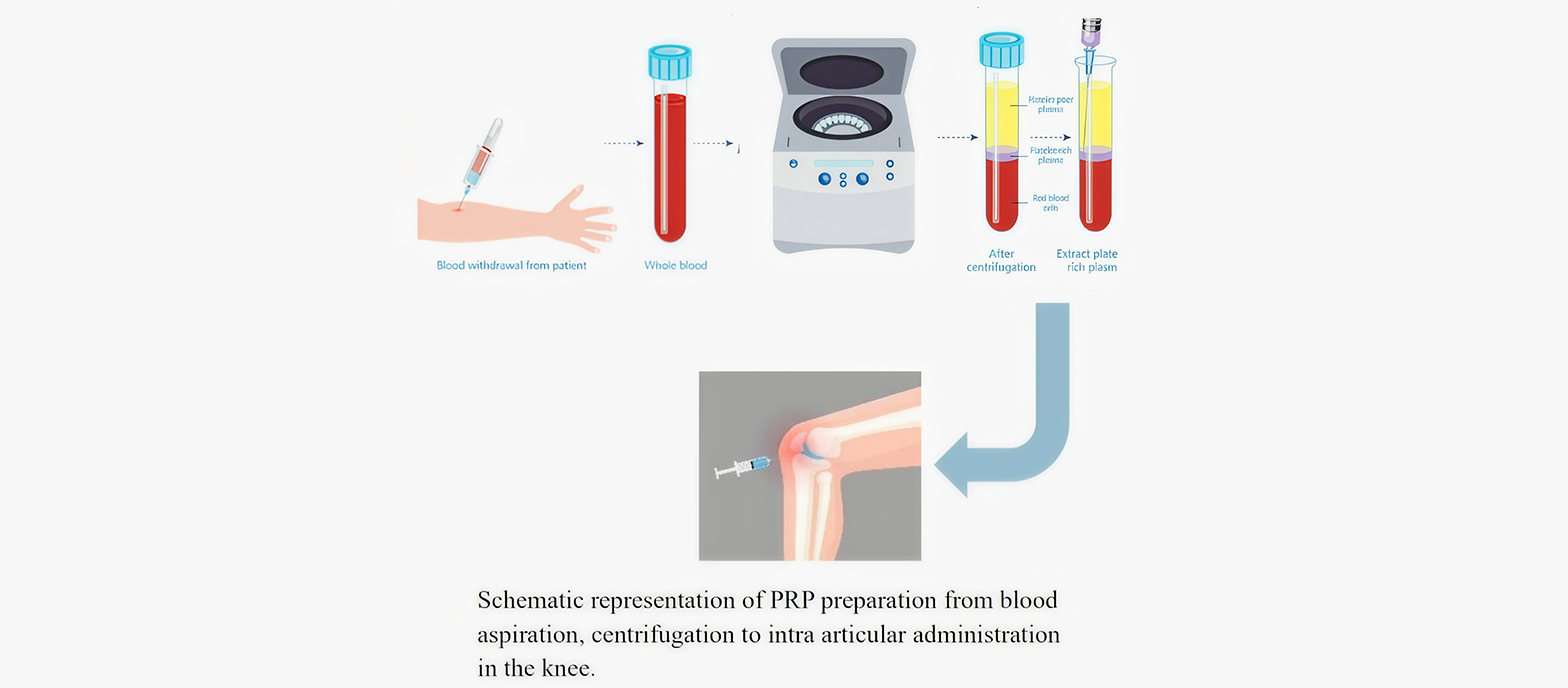
PRP stands for Platelet-Rich Plasma. It is made from your blood. It contains a high number of platelets, which are cells that help with healing. PRP helps your body repair tissues naturally. It doesn’t have any adverse effects.
How is PRP made?
Adequate amount of your blood is taken, just like a blood test. It is then put in a mechine (centrifuge) that spins the blood and separates the platelets from the rest. The portion rich in platelets is collected – and this is called PRP.
Why is PRP used?
PRP is used to:
• Reduce pain and swelling
• Help heal injured tissues
• Improve joint and muscle recovery
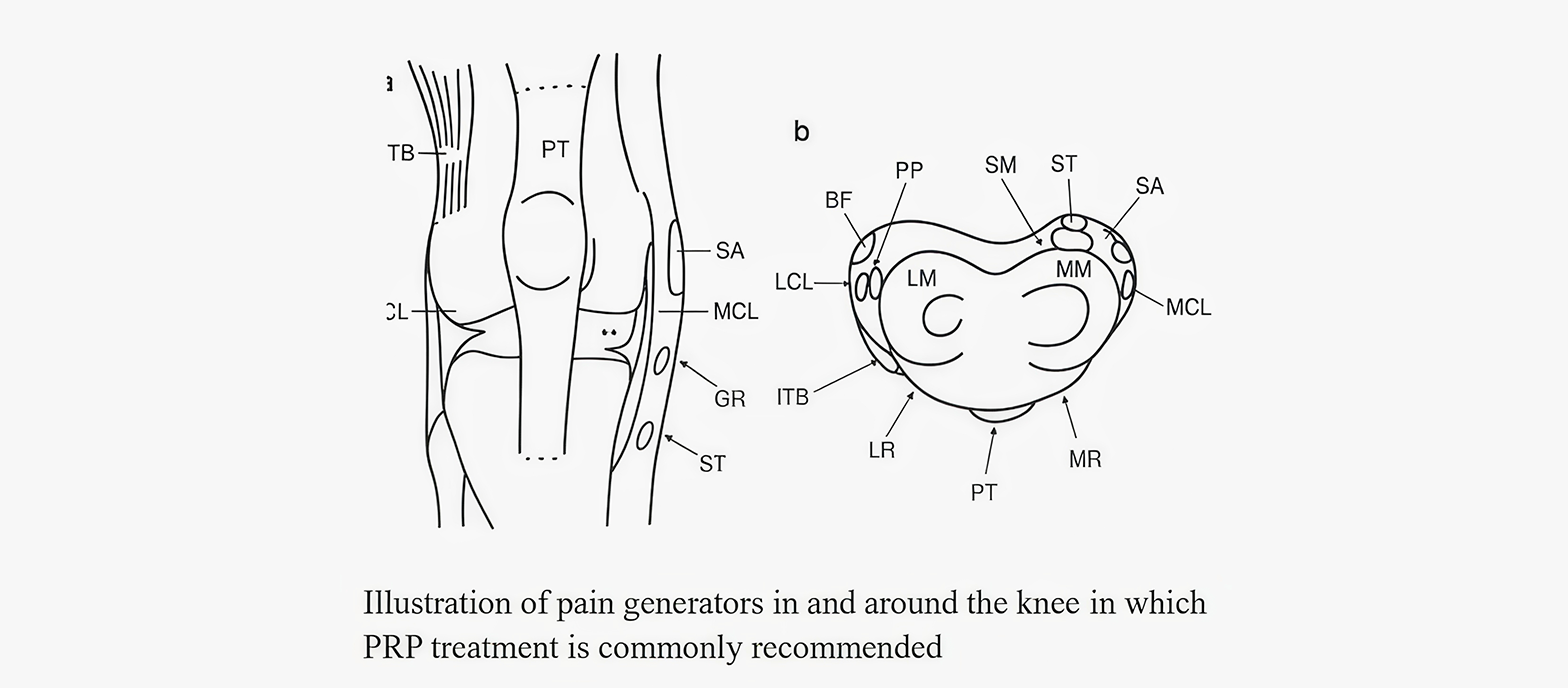
• It is commonly used on knees, shoulders, tendons, and also after injuries
How it is administered?
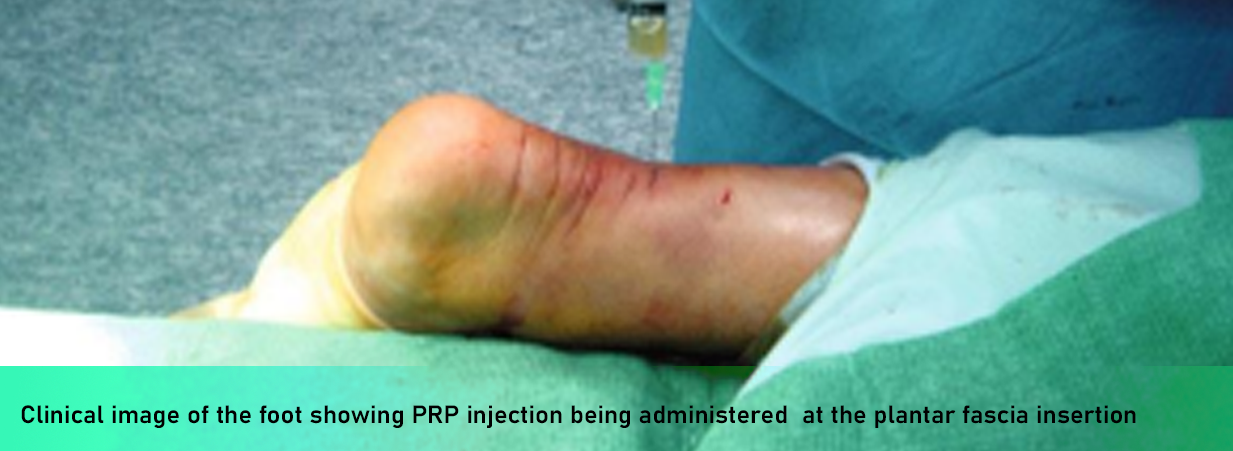
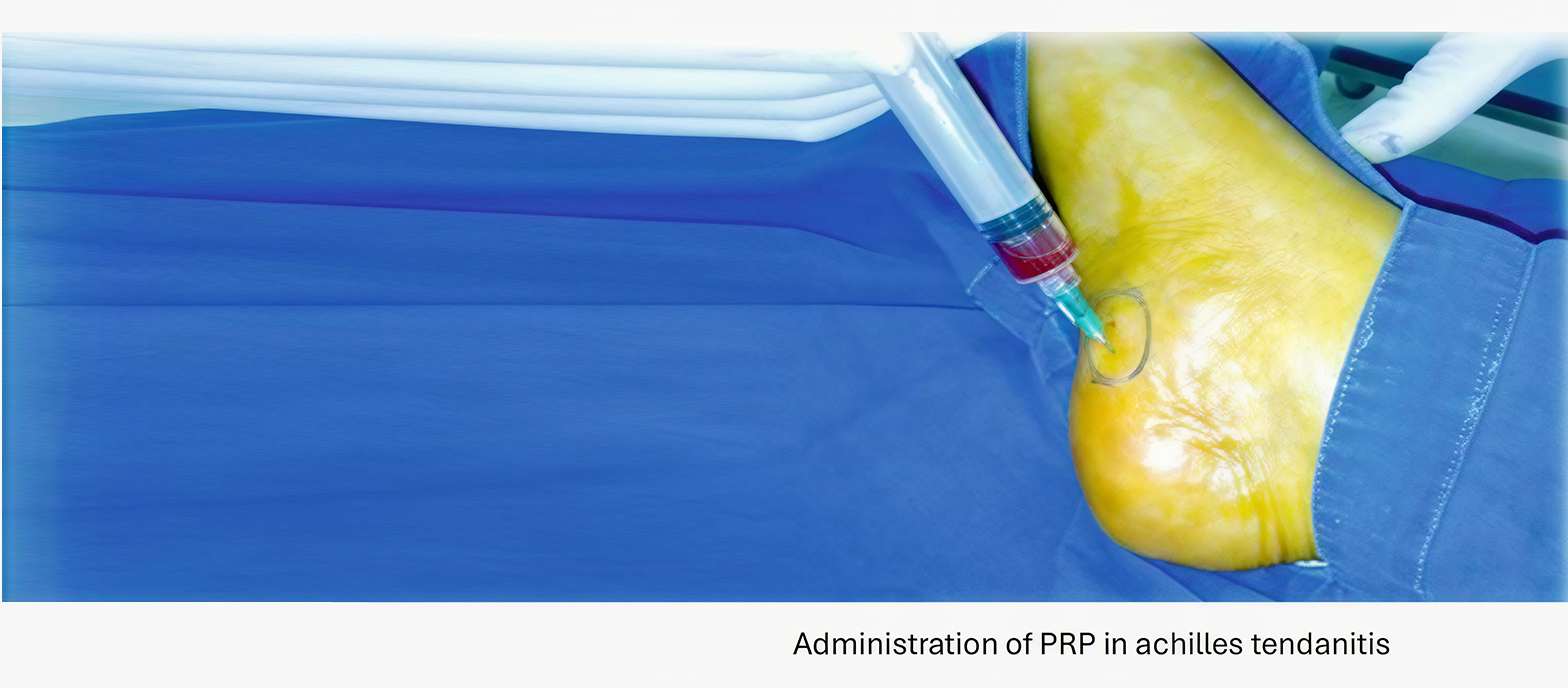
PRP is injected into the injured area, such as a joint, muscle, or tendon. It’s simple day-care procedure and doesn’t need surgery or a hospital stay
What does it treat?
PRP is used for:
• Knee arthritis (early stages)
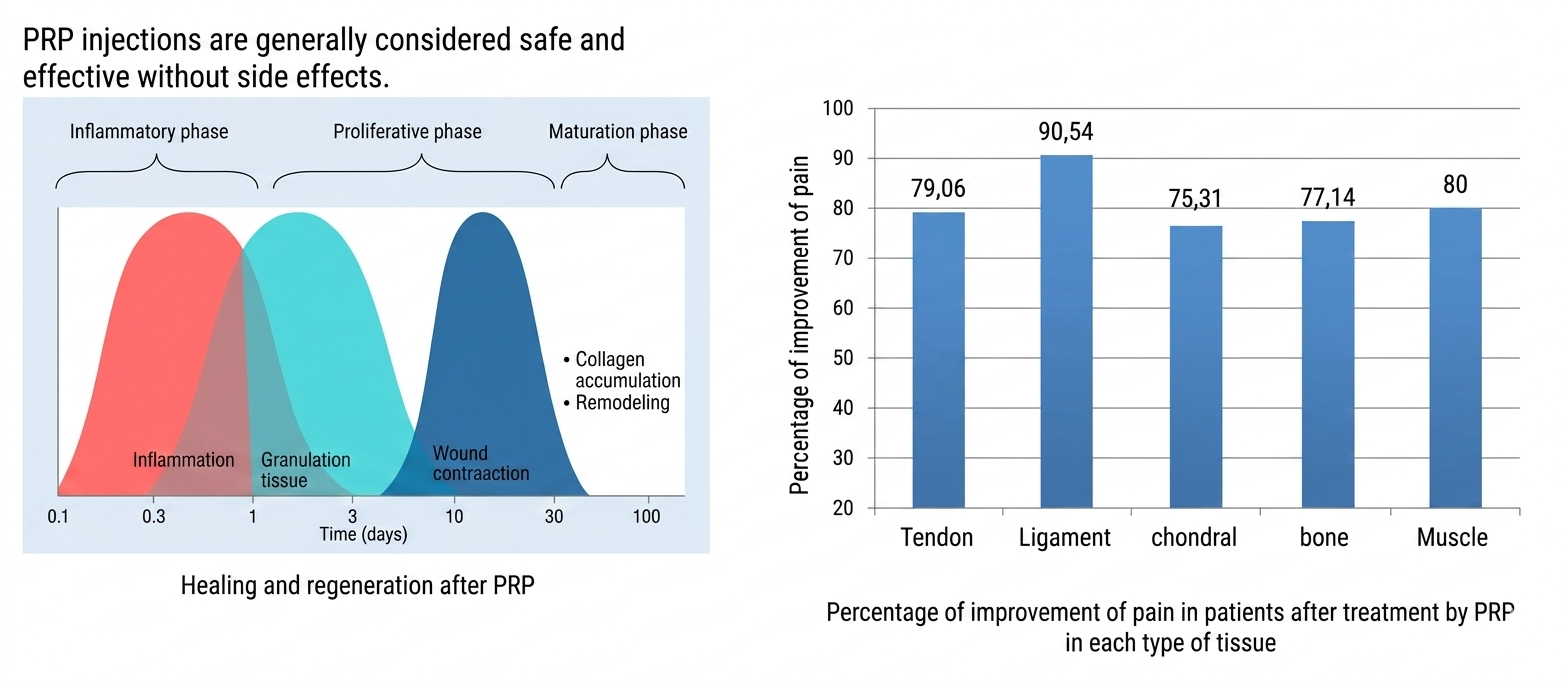
• Tendon problems (like tennis elbow or Achilles tendinitis, enthesitis)
• Muscle injuries
• Ligament injuries
What occurs after the injection?
You may feel mild pain or swelling for 1-2 days. You’ll be asked to rest and avoid heavy activity. The doctor may give you some exercise to help with healing. Many people feel better in afew weeks.
Are there any risks?
PRP injections are generally considered safe and effective without side effects.
CONDITIONS WHERE PRP TREATMENT IS COMMONLY ADMINISTERED
What is plantar fasciitis?
Plantar fasciitis is a common cause of heel pain. It happens when the plantar fascia, a thick band of tissue at the bottom of your foot gets inflamed and thickened.
What is tendinopathy?
Tendinopathy is a condition where a tendon becomes painful, swollen, or damaged due to overuse or injury. A tendon is the strong band that connects a muscle to a bone.
OSTEONECROSIS OF THE KNEE
What is osteonecrosis of the knee?
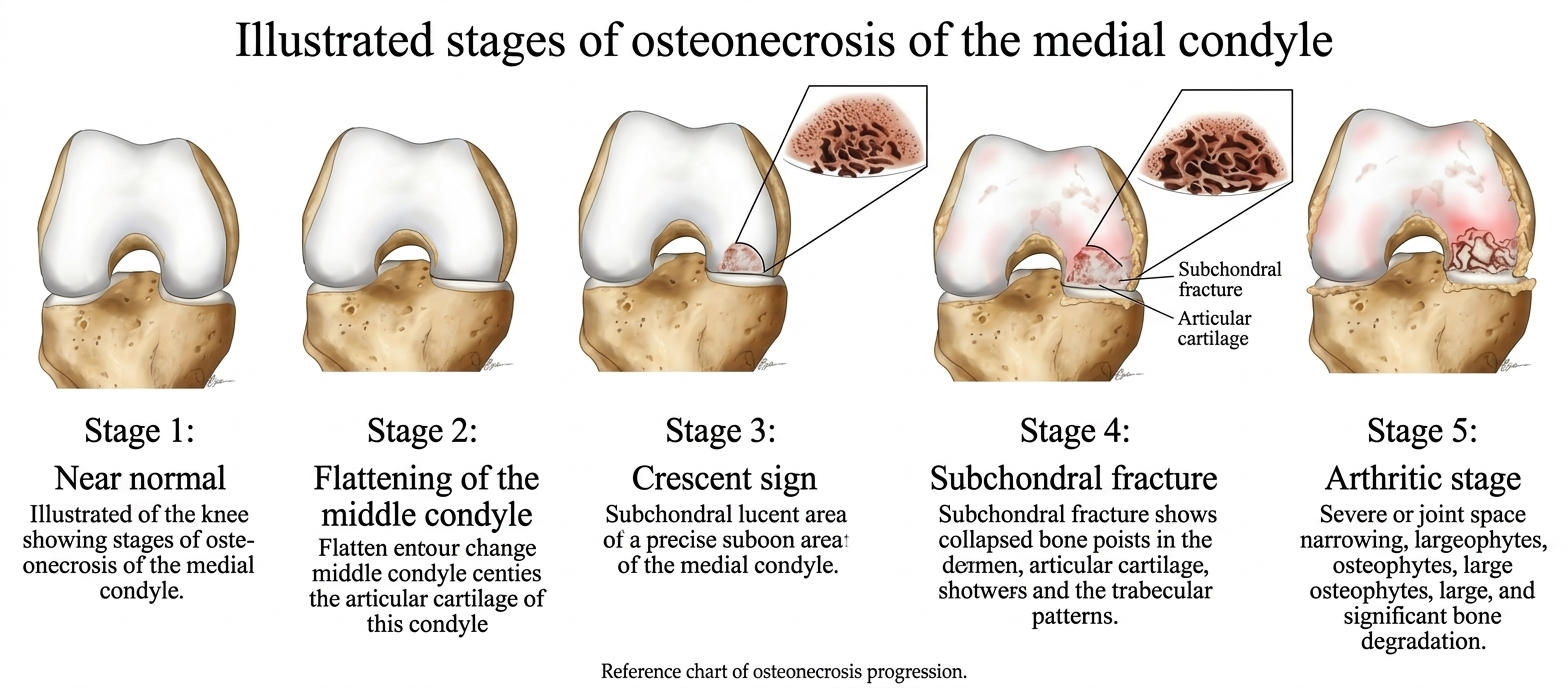
Osteonecrosis of the knee is a condition where a part of the bone in the knee loses its blood supply, causing the bone tissue to die and weaken. This can lead to pain, bone collapse (cartilage defect), and joint damage (arthristis) over time.
What causes it?
It may happen due to:
• Injury or trauma to the knee
• Use of steroids (medications) for a long time
• Alcohol abuse.
• Certain medical conditions like blood disorders Sometimes, it happens without a clear cause —
this is called spontaneous osteonecrosis.
What are the symptoms?
Common symptoms include:
• Sudden or increasing knee pain (especially on the inside of the knee)
• Swelling occurs in the joint often.
• Difficulty walking or putting weight on the leg.
• Pain that worsens with activity and improves with rest
How is it diagnosed?
Common symptoms include:
• Sudden or increasing knee pain (especially on the inside of the knee)
• Swelling occurs in the joint often.
• Difficulty walking or putting weight on the leg.
• Pain that worsens with activity and improves with rest
How is it diagnosed?
The doctor will:
• Ask about your symptoms and medical history
• Examine your knee and do special tests
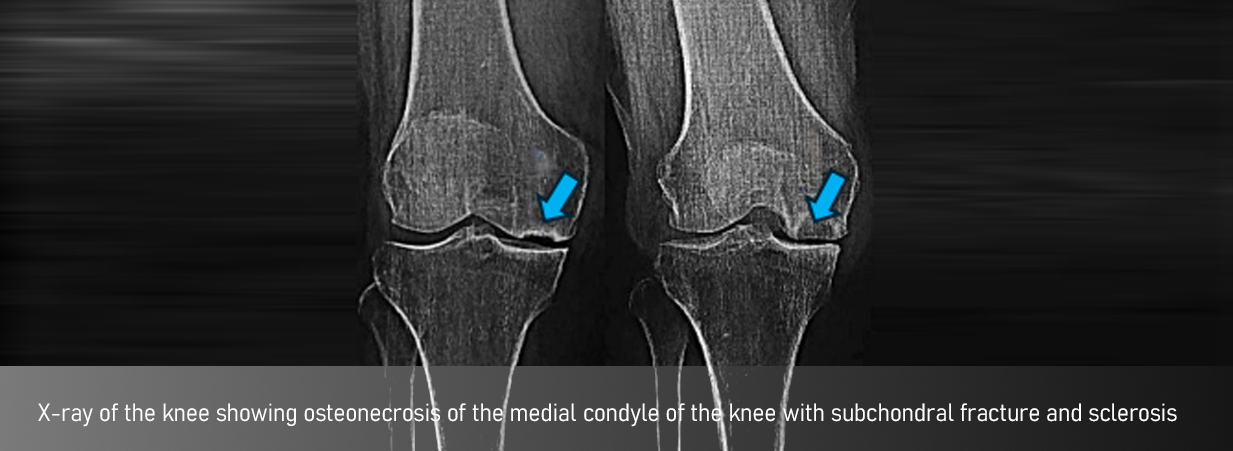
• Order X-rays, MRI, or bone scans to check for bone damage and confirm osteonecrosis
What is the treatment?
In early stages, treatment includes:
• Rest and avoiding weight on the knee
• Painkillers and anti-inflammatory medicines
• Physiotherapy and sometimes braces In later stages, if the bone collapses, surgery may be needed to repair or replace the damaged bone either by microfracture, BMAC or OATS procedures.
How soon will I recover
The recovery is based on the modality of treatment done for you. In case of surgical treatment, it generally takes few months between 6 to 8 months to fully recover.
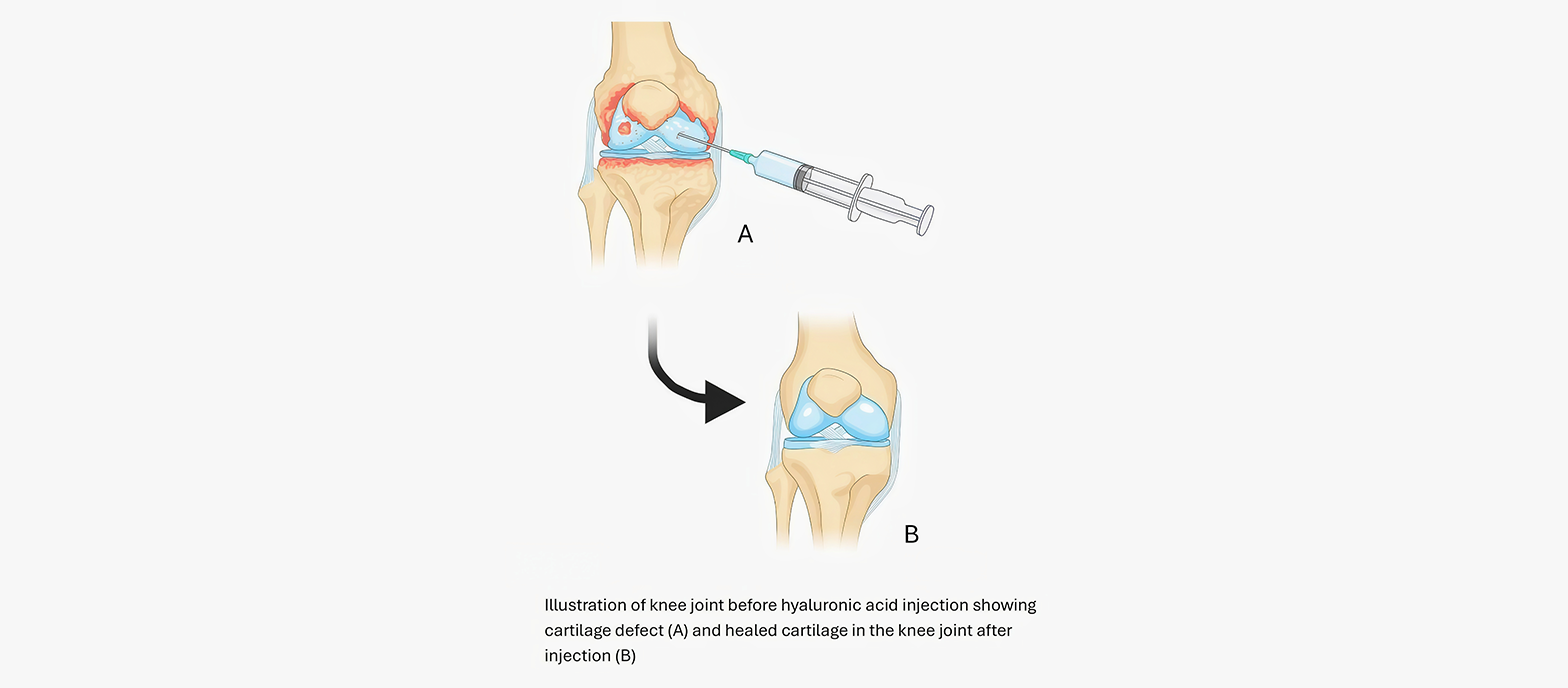
VISCOSUPPLEMENTATION / HYALURONIC ACID INJECTION
What is viscosupplementation?
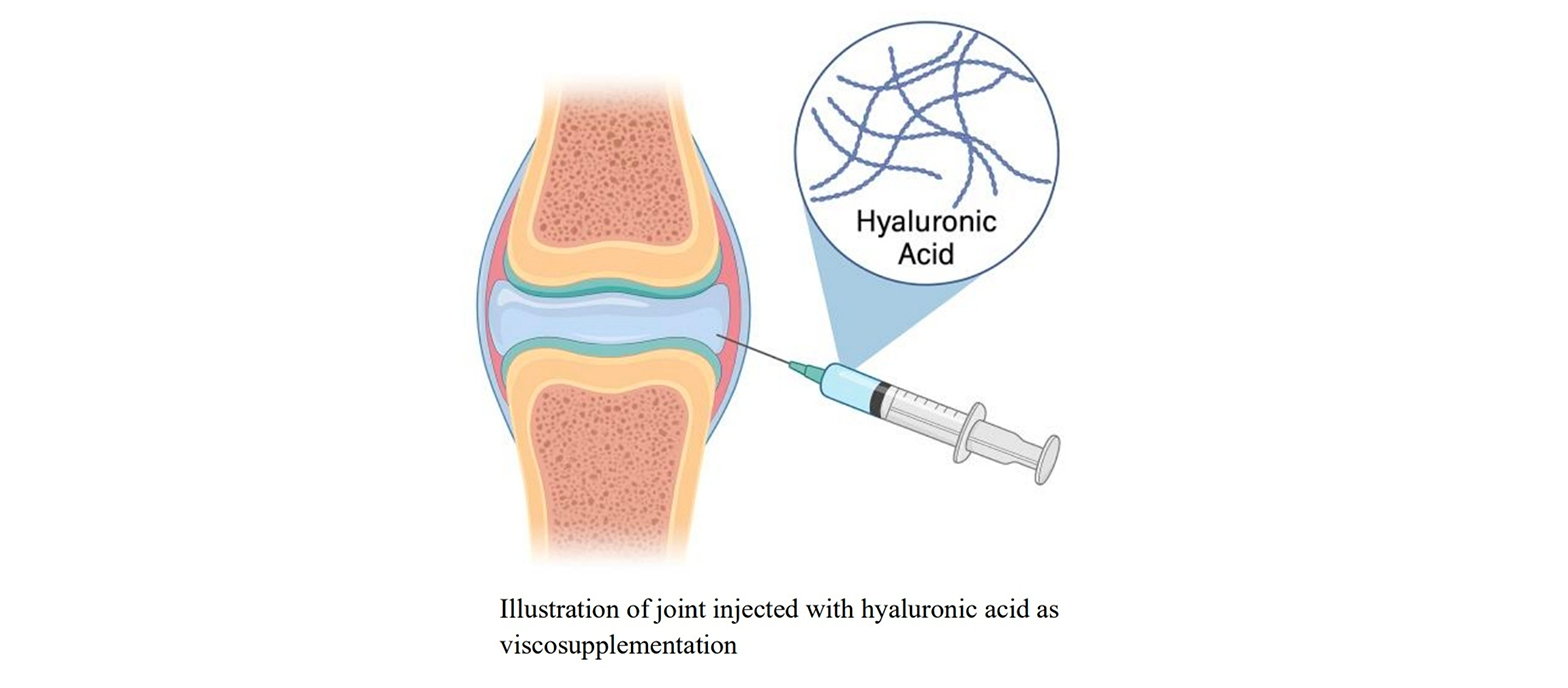
Viscosupplementation is a treatment where a gel-like substance called hyaluronic acid is injected into the knee joint. This substance is similar to the natural fluid that helps lubricate and cushion the joints. It is used mainly to treat knee osteoarthritis and helps the joint move more smoothly with less pain.
Why is this injection given?
It is given to reduce pain, improve knee movement, and delay the need for surgery in people with early to moderate osteoarthritis. The natural fluid in the joint becomes thinner in arthritis, so the injection helps restore lubrication, reduce friction, and make movement easier.
How is the procedure done?
The doctor will inject the gel directly into the knee joint using a fine needle. It may be done as a single injection or in 2–3 sessions depending on the need and type of product used. The procedure takes just a few minutes and is usually done in the outpatient clinic.
How soon will my symptoms relieved?
Recovery depends upon the severity of arthritis and the extent of cartilage damage. Usually it takes 3 – 6 months for symptomatic improvement.
Are there any risks?
Viscosupplementation is generally safe. Some people may have mild swelling, stiffness, or temporary discomfort at the injection site. Rarely, allergic reaction or joint infection may occur, but these are very uncommon.
BMAC INJECTION
What is BMAC?
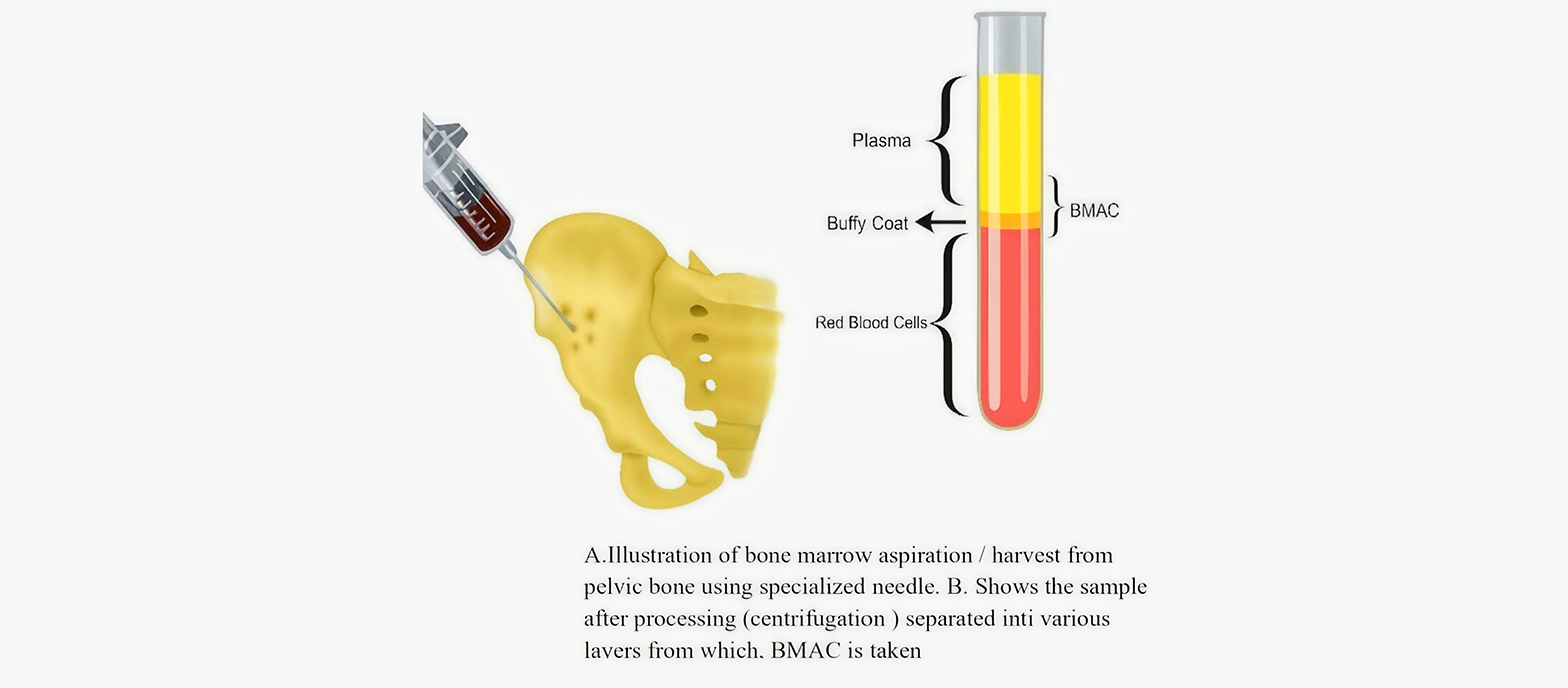
BMAC stands for Bone Marrow Aspirate Concentrate, which is a special preparation made from a person’s own bone marrow. It contains stem cells and growth factors that help in healing and tissue regeneration, especially in joints, cartilage, and tendons.
Why is BMAC used?
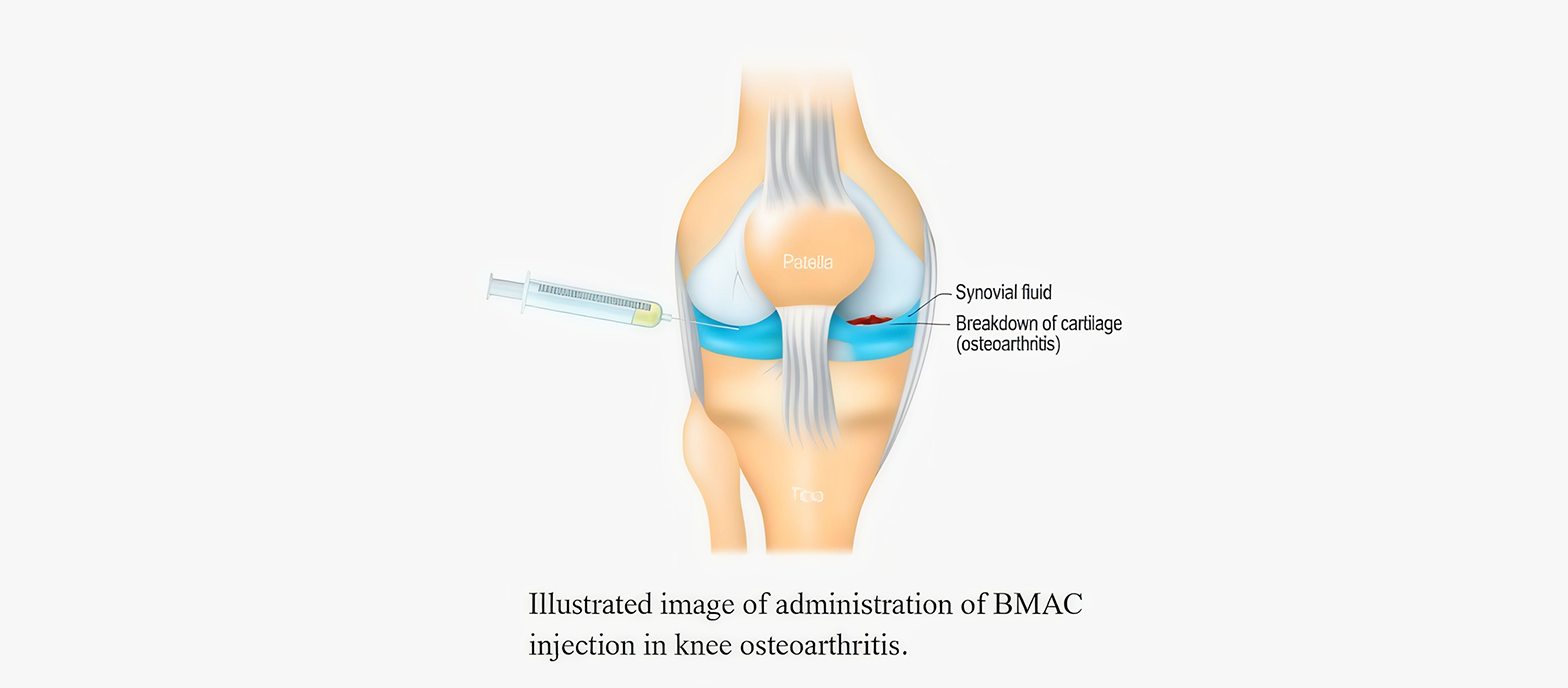
BMAC is used to treat conditions like early osteoarthritis, cartilage damage, ligament injuries, and
chronic tendon pain. It helps reduce inflammation, repair tissue, and delay or avoid major surgeries like joint replacement.
How is BMAC collected?
Bone marrow is taken from the back of the hip bone (pelvis) using a special needle under local or general anaesthesia. The marrow is then processed using a machine (centrifuge) to concentrate the healing cells, and this rich portion is called BMAC.
How is the BMAC injection given?
Once prepared, the BMAC is injected into the damaged area, such as the knee joint, tendon, or cartilage, under sterile conditions. Sometimes, the injection is guided using ultrasound or fluoroscopy for accuracy.